
Dubai is a vibrant city in the United Arab Emirates (UAE), located along the southeastern coast of the Arabian Peninsula on the Persian Gulf. Home to over 4 million people, Dubai is famous for its modern architecture and dynamic lifestyle.
As a global business and tourism hub, Dubai attracts residents and visitors from around the world. Its rich cultural heritage blends traditional Emirati customs with influences from a diverse expatriate population.
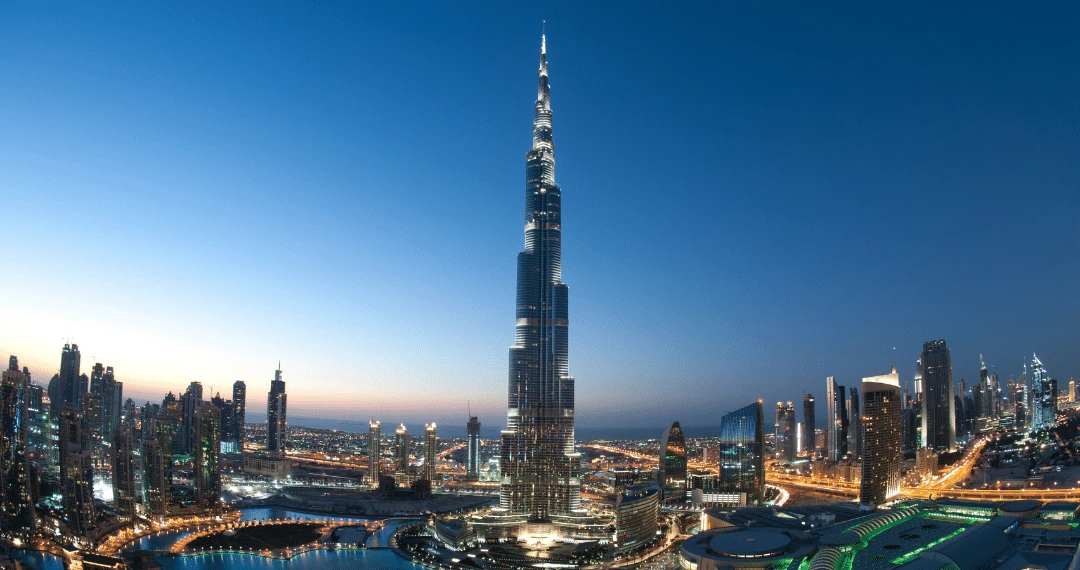
While Arabic is the official language, Dubai’s international trade, tourism, and cosmopolitan population have created a multilingual environment.
Have you thought about the languages spoken in Dubai? Keep reading to learn about the official and foreign languages spoken in the city.
Official language of Dubai
Arabic has been the official language of Dubai since the formation of the United Arab Emirates in 1971. It serves as the primary language for communication and holds a central role across the Middle East.
Within the city, a range of Arabic dialects is spoken, reflecting its cultural heritage and historical connections within the region.
Standard Arabic, the formal literary form, is used in government, official documents, education, and media while Gulf Arabic, or Khaleeji, is the most common spoken dialect among locals, showcasing the unique cultural and linguistic identity of the Gulf.
Top languages spoken in Dubai
1: Arabic

Arabic is primarily spoken by Emirati nationals, who make up around 20–30% of Dubai’s population. This means approximately 1 to 1.1 million residents speak Arabic as their first language. Additionally, Arabic is commonly used in government offices, public institutions, religious settings, and cultural events across the city.
2: English
English is widely used in Dubai for business, education, and daily communication across the city’s diverse population. Approximately 80–85% of residents are proficient in English, making it the primary language in corporate sectors, public services, and international trade.
3: Hindi
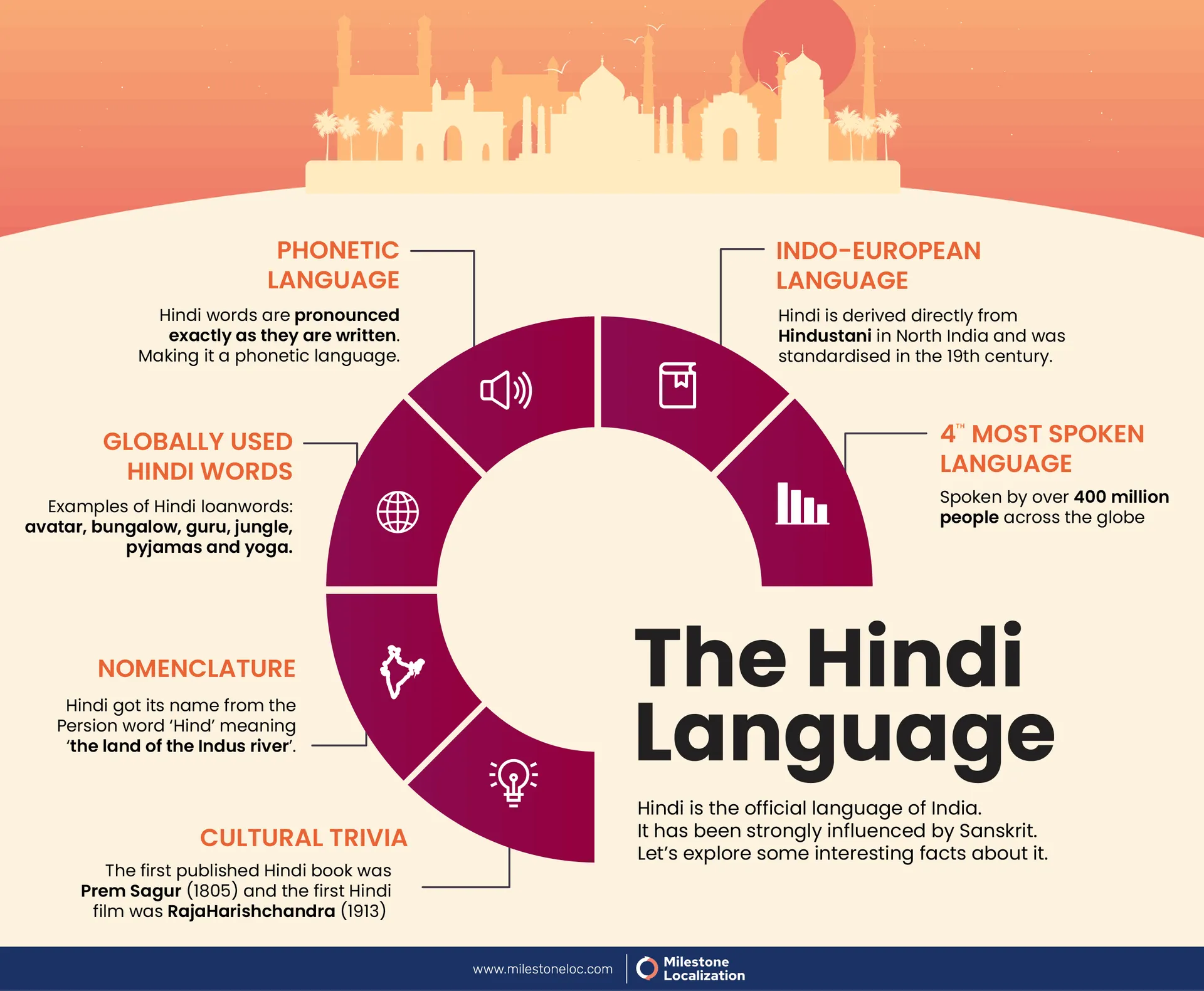
Hindi is mainly spoken by the large Indian community, which constitutes around 38% of Dubai’s population. This means roughly 1.48 million residents use Hindi as either a first or second language, particularly in social, business, and cultural interactions.
4: Urdu
Urdu is commonly spoken among the Pakistani community, which makes up about 17% of Dubai’s population. Around 660,000 residents use Urdu in daily life, as well as in cultural, social, and religious settings, helping maintain connections with their heritage.
5: Tagalog
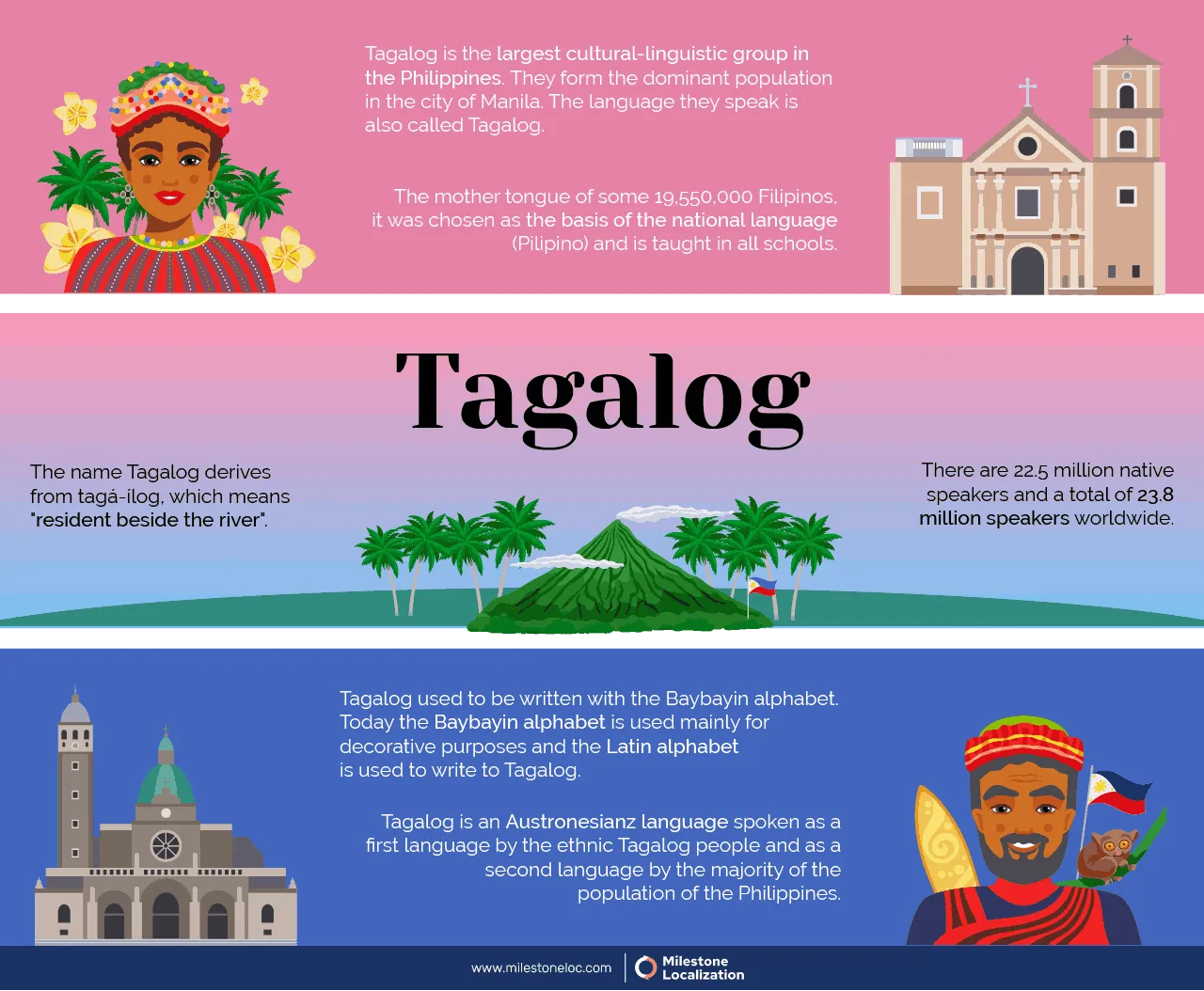
Tagalog is widely spoken by the Filipino community, representing roughly 21% of Dubai’s population. Around 819,000 residents use Tagalog as a primary or secondary language, particularly in service, healthcare, and hospitality sectors.
6: Malayalam
Malayalam is spoken by a large number of people from Kerala, India. Across the UAE, there are an estimated 1,060,000 Malayalam speakers, with a strong community presence in Dubai contributing to the city’s multicultural fabric.
7: Persian (Farsi)
Persian is spoken by approximately 303,000 residents of Iranian and Afghan origin. It plays a notable role in Dubai’s cultural and business landscape, particularly in trade, culinary, and community interactions.
8: Tamil
Tamil is spoken by over 400,000 residents in the UAE, constituting more than 16% of the Indian population in the country. This community plays a significant role in various sectors, including trade, healthcare, and education.
9: Kannada
Around 30,000 residents in Dubai speak Kannada. The community actively preserves their language and heritage through cultural and social events, enriching the city’s diverse linguistic and cultural landscape.
Also Read: Languages Spoken in the Middle East: Complete Guide 2025
Is English Spoken in Dubai?
In Dubai, English is widely spoken and serves as the main language of communication across the city’s diverse population. Its prevalence dates back to the city’s early trade links with British merchants and companies in the 19th and 20th centuries, which established English as a common language for commerce and administration.
Today, approximately 80–85% of residents can communicate effectively in English, making it the most commonly used language in business, education, and daily interactions.
English continues to be an essential tool for connecting Dubai’s multicultural communities and supporting its role as a global hub for trade, tourism, and international business.
Language of Business in Dubai
Dubai’s business environment is highly dynamic due to the city’s diverse population and international connections. While Arabic is the official language, English is the primary language used in business, trade, and tourism, which are key contributors to Dubai’s economy.
Dubai conducts extensive trade with countries across the Middle East, Asia, and Europe, making English essential for international communication. Many companies, serving clients from Arabic-speaking regions, operate primarily in English for contracts, and corporate communications.
In addition to Arabic and English, languages such as Hindi, Urdu, Tagalog, Malayalam, and Persian also play an important role in business and community interactions, reflecting the diverse workforce that contributes to Dubai’s continued economic growth.
Looking for Translation services in Dubai?
History of Dubai
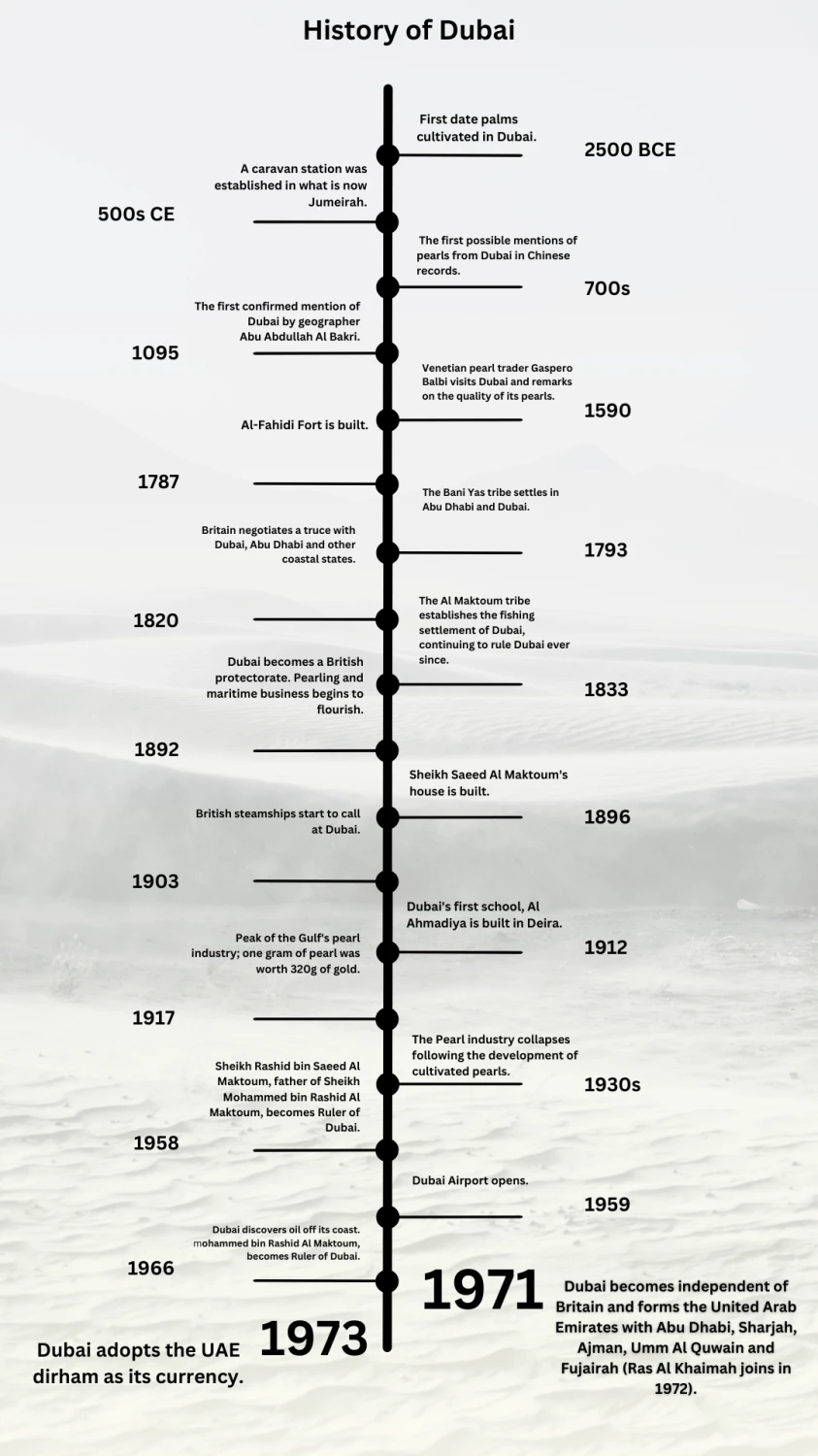
1: Pre-18th Century: Indigenous and Early Settlement Era
Before modern development, Dubai was inhabited by nomadic Bedouin tribes and small fishing communities. The region’s people relied on pearl diving, fishing, and trade along the Arabian Gulf, forming the foundations of its early economy and culture.
2: Early 18th Century (1700s): Founding and Tribal Rule
Dubai began to take form as a small fishing and trading settlement under the rule of the Al Maktoum family, who arrived in the early 19th century. Tribal alliances and maritime trade shaped the social and political landscape, fostering a modest but stable community.
3: 19th to Early 20th Century: British Treaty Era and Trade Expansion
Dubai came under British protection through treaties that secured peace and maritime safety in the Gulf. Its port grew as a key stop for dhow traders moving goods between the Middle East, India, and East Africa. Despite limited infrastructure, Dubai’s strategic location encouraged commerce and modest urban growth.
4: Mid-20th Century Onward: Oil Discovery and Modernization
The discovery of oil in the 1960s transformed Dubai’s economy and infrastructure. Revenues funded roads, ports, airports, skyscrapers, and urban development, while investments in trade, finance, real estate, and tourism diversified the economy.
5: 21st Century: Global City and Innovation Hub
Dubai today is a world-leading metropolis known for its modern architecture, luxury tourism, and business-friendly environment. It continues to innovate through large-scale projects, smart city initiatives, and its position as a major international trade and cultural hub.
The Economy of Dubai
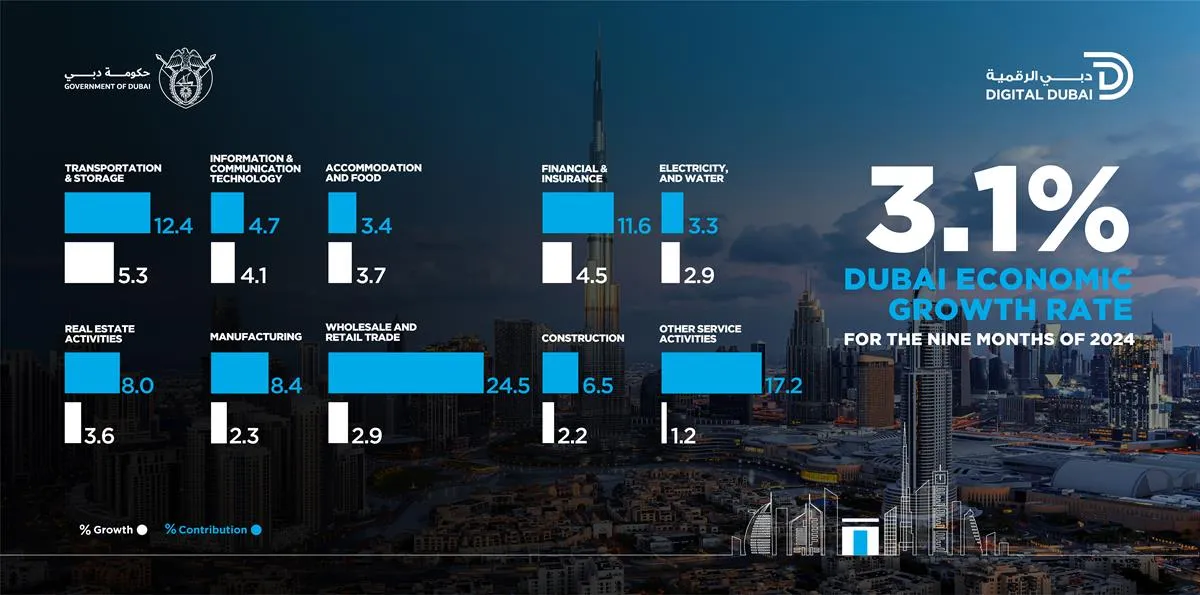
Dubai is a leading economic center in the Middle East, with a diversified, open-market economy. Over recent decades, it has transformed from a regional trading hub into a global center for commerce, finance, tourism, and logistics.
As part of the UAE, Dubai has developed a high-income, export-oriented economy. Its strategic location, modern infrastructure, and pro-business regulations attract international enterprises and skilled professionals.
In the first nine months of 2024, Dubai’s GDP reached AED 339.4 billion, growing 3.1% year-on-year, reflecting strong performance across key sectors including trade, transportation, and finance.
The Growing Importance of Multilingualism in Dubai
As a major center for trade, tourism, and international business, Dubai relies on multilingual skills to connect its diverse population and global partners.
1: International Trade
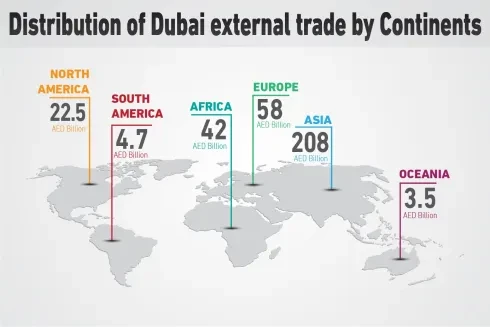
Dubai maintains extensive trade connections across the Middle East, Asia, Europe, and Africa, making multilingual communication essential. Languages such as English, Arabic, Hindi, Urdu, and Persian play a essential role in negotiations, customer relations, and compliance, facilitating smoother business transactions.
2: Tourism
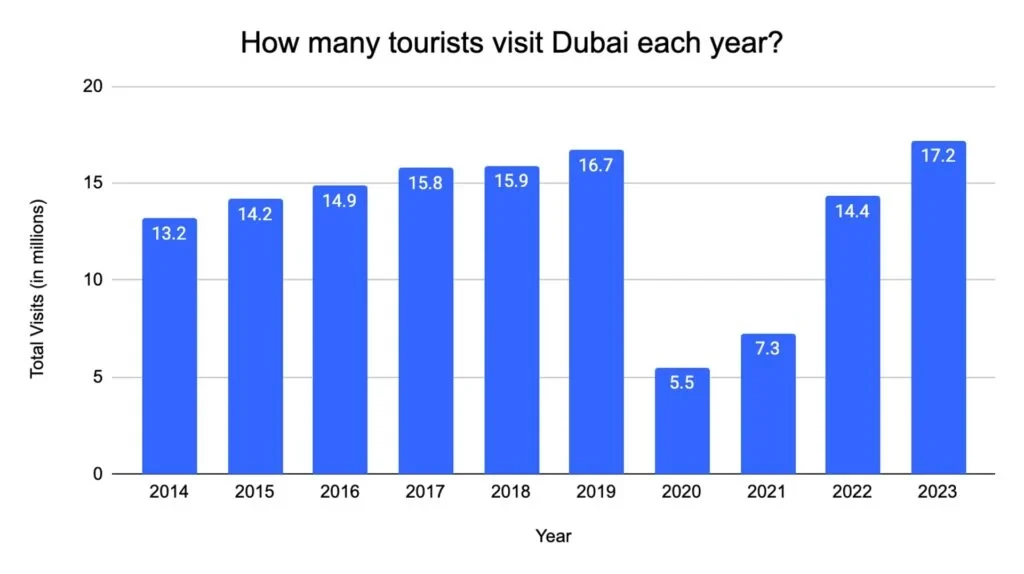
Dubai’s world-class attractions, luxury resorts, and shopping destinations attract millions of visitors each year. In 2023, over 17 million tourists visited Dubai, creating a strong demand for multilingual professionals in the tourism, hospitality, and travel sectors to enhance visitor experience.
3: Translation Services
Dubai’s multicultural environment drives strong demand for translation and interpretation services. Professionals fluent in Arabic, English, Hindi, Urdu, Tagalog, and other languages support businesses, government agencies, and international clients in effective communication and accurate documentation.
How companies can benefit from translation agencies in Dubai
Dubai’s diverse population and global business connections make multilingual communication essential. Translation agencies help companies bridge language gaps, ensuring effective interaction with clients, partners, and employees.
1: Reach More People
Businesses in retail, hospitality, wellness, and other sectors can attract a wider audience by providing services, marketing materials, and information in languages such as Arabic, English, Hindi, Urdu, and Tagalog, giving them a competitive advantage.
2: Expand into International Markets
Multilingual communication allows companies to reach global markets and strengthen their presence locally, where residents and visitors speak a variety of languages.
3: Better Customer Support
Translation agencies enable businesses to provide support in multiple languages, increasing customer satisfaction, loyalty, and trust.
Also Read: Top 10 Translation Companies In Dubai 2025
Conclusion
Dubai showcases its rich cultural heritage and diverse expatriate population through a dynamic linguistic landscape. While Arabic is the official language, English, Hindi, Urdu, and Tagalog are widely spoken across the city.
This multilingual environment fosters communication, inclusivity, and cultural exchange. By embracing multiple languages, Dubai not only preserves its Emirati identity but also strengthens its reputation as a global, cosmopolitan hub for business, tourism, and international communities.
Are You Looking for Certified Translation services in Dubai?
FAQS
What is the official language of Dubai?
The official language of Dubai is Arabic, used in government communication, legal documents, and cultural settings. Emirati Arabic is the local spoken dialect, while Modern Standard Arabic is used in formal contexts.
Is English widely spoken in Dubai?
Yes. English is the primary language for business, education, tourism, and daily communication among Dubai’s multicultural population.
Why are languages like Hindi, Urdu, and Filipino/Tagalog common in Dubai?
Dubai’s expatriate population includes large communities from India, Pakistan, and the Philippines, making Hindi, Urdu, and Tagalog widely spoken in workplaces and social environments.
How many languages are spoken in Dubai?
Dubai is home to over 200 nationalities, making it one of the most linguistically diverse cities in the world. Dozens of languages can be heard daily across homes, markets, and workplaces.
What dialect of Arabic is spoken in Dubai?
The local dialect spoken by Emiratis is Gulf Arabic (Khaleeji Arabic). However, you will also hear other Arabic dialects such as Egyptian, Levantine, and Sudanese Arabic due to the large Arab expatriate community.
Which languages are commonly used in business and workplaces in Dubai?
In most workplaces, English is the main language used for business communication. However, Arabic, Hindi, and Urdu are also commonly heard in various industries due to the city’s multicultural workforce.