
In a sector where understanding complex terms and conditions can significantly affect financial wellness, clear and accessible communication is crucial.
When financial institutions communicate effectively in their customers’ language, it improves comprehension, builds trust, ensures regulatory compliance, and creates an inclusive and equitable ecosystem.
In this blog, we will explore the language guidelines set by the RBI Fair Practices Code (FPC) to ensure compliance with fair, transparent, and customer-friendly lending practices. Furthermore, we will explore the significance of language accessibility in financial services.
Looking for Financial Translation services ?
Milestone works with native translators with domain expertise to accurately translate your documents into 70+ languages. We provide translation certificates accepted by authorities across the globe.
What is the Fair Practices Code by the Reserved Bank of India?
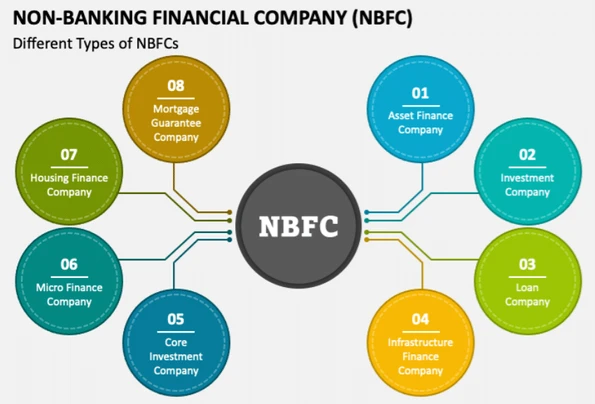
The Fair Practices Code (FPC) was issued by the Reserve Bank of India(RBI) on 28th September 2006 to be adopted by all Non-Banking Financial Institutions (NBFCs) while doing lending business.
Also read: Financial Translations – Importance & Best Practices
The guidelines covered general principles on adequate disclosures of loan terms and conditions and the adoption of non-coercive recovery methods.
A revised circular was issued on March 26, 2012, in response to developments in the sector.
Who does the Fair Practices Code apply to?
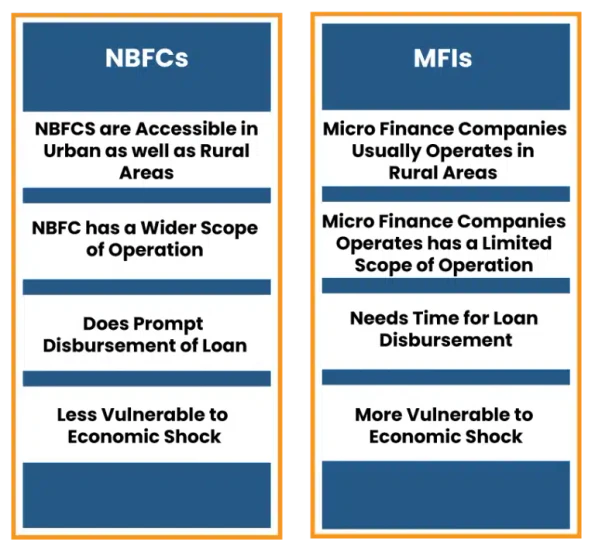
The RBI Fair Practices Code applies to all Non-Banking Financial Companies(NBFCs) and Residuary Non-Banking Companies(RNBCs) including Non-Banking Financial Companies – Micro Finance Institutions (NBFC-MFI)
Also read: India’s Digital Personal Data Protection Act (DPDPA) & Need For Translation
With the FPC, the RBI aims to promote ethical principles in the Indian lending ecosystem and encourage ethical and equitable practices, enhancing transparency, and guaranteeing equitable treatment of borrowers.
The RBI periodically reviews and updates the FPC to ensure it remains effective in protecting consumer interests and facilitating a fair, responsible, and stable financial system in India.
What are the language requirements as mentioned in the Fair Practices Code?
The FPC has set out certain language requirements that are to be complied with by the Non-Banking Companies to ensure accurate and effective communication and protect the interests of the borrowers.
According to this, it is mandatory for certain documents to be in the vernacular language or a language that is understood by the borrower.
Additionally, as per Point A(vii) of the FPC,
The Fair Practices Code, preferably in the vernacular language or a language understood by the borrower, should be established by all NBFCs.
Non-banking financial companies (NBFCs) are allowed to create their own Fair Practices Code, broadening the scope of the guidelines while also ensuring adherence to the guidelines mentioned in the FPC.
The code must also be made available on their website, if applicable, to inform different stakeholders.
Looking for Financial Translation services ?
Milestone works with native translators with domain expertise to accurately translate your documents into 70+ languages. We provide translation certificates accepted by authorities across the globe.
What documents should be in the vernacular language per the RBI Fair Practices Code?
As per the Fair Practices Code by RBI, the following documents should be in the vernacular language or a language understood by the borrower of loans.
- All communications related to applications for loans and their processing
- Loan appraisal and terms and conditions, including the amount of loan sanctioned, interest method, high interest, and penal interest
- Loan agreement along with enclosures.
- Disbursement of loans including changes in terms and conditions, charges, etc.,
In case of non-repayment by the borrower in cases pertaining to lending loans against collateral gold jewellery, the auction for the jewellery should be announced to the public issue of advertisements in at least two newspapers, one in vernacular language and another in the national daily newspaper.
In addition to the above, Non Banking Financial Company – Micro Finance Institutions (NBFC-MFI) shall also display the following in their office/branch premises in vernacular language:
- The Fair Practice Code
- A statement showing the commitment of the NBFC-MFIs to transparency and fair lending practices.
- This should also be mentioned in the loan cards in the vernacular language
- The effective rate of interest charged
- Grievance redressal system
The loan agreements and all the entries in the loan card of the NBFC-MFIs should also be present in the vernacular language.
Importance of language in fair access to financial services
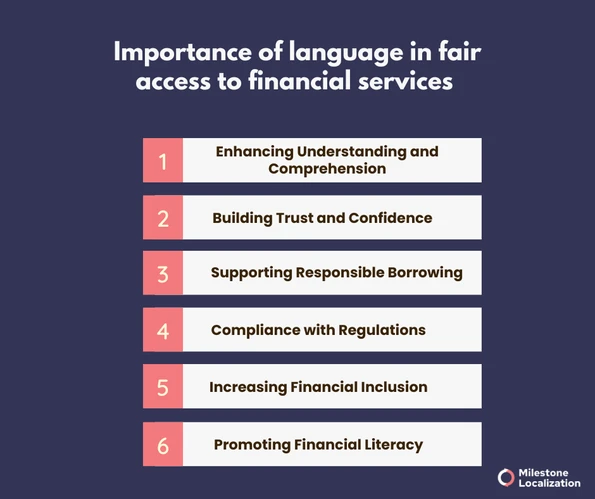
Enhancing Understanding and Comprehension
Financial products and services are often complex, with intricate terms and conditions. Clear and accessible language helps consumers understand these products better, reduces the risk of misunderstandings, and ensures they make informed decisions.
Building Trust and Confidence
Trust is fundamental in the financial sector. When consumers receive information in their native language, it fosters a sense of trust and reliability. They feel that their financial service provider respects their needs and is committed to transparent communication. This trust can lead to long-term relationships and customer loyalty.
Supporting Responsible Borrowing
Language accessibility in loan documentation and education can help borrowers understand their rights and responsibilities. With clear communication, individuals are less likely to take on loans they cannot afford, reducing the risk of default and promoting responsible borrowing practices.
Compliance with Regulations
Several regulations might require financial institutions to provide information in multiple languages. This becomes more significant in regions with high linguistic diversity. Complying with these regulations not only avoids legal issues but also demonstrates the institution’s commitment to inclusivity.
Increasing Financial Inclusion
Language barriers can exclude significant portions of the population from accessing financial services. By providing multilingual services, financial institutions can reach diverse and underserved communities.
This inclusivity helps in reducing the financial gap and promotes economic growth at a broader level.
Promoting Financial Literacy
Language plays a vital role in financial education and literacy programs. Providing educational materials and resources in multiple languages ensures that diverse communities can access and benefit from these programs, leading to more financially literate societies.
How can Milestone Localization help?
Headquartered in India, Milestone Localization is a professional translation agency providing translation and localization services to companies across the globe in 70+ languages.
We are ISO 17100:2015 and ISO 9001:2015 certified for our end-to-end translation services and quality management systems.
We provide support in all 22 recognized Indian regional languages and have extensive experience in delivering accurate and appropriate translations for the financial and legal sectors.
Trusted by over 400 companies worldwide, we work with qualified professionals in the financial industry, and legal experts having extensive translation experience to ensure the quality and accuracy of the financial translations.
Conclusion
The FPC, introduced by the RBI to regulate non-banking financial institutions, highlights the importance of ethical lending practices and equitable treatment of borrowers.
By requiring documents to be available in vernacular languages or languages understood by borrowers, the FPC ensures that financial information is accessible to all, regardless of linguistic background.
By embracing multilingual solutions, institutions can enhance customer trust, facilitate informed decision-making, and contribute to a more equitable financial environment.
Also read: User Agreement Translation: Why Should Companies Do It?
Looking for Financial Translation services ?
Milestone works with native translators with domain expertise to accurately translate your documents into 70+ languages. We provide translation certificates accepted by authorities across the globe.