
Australia, located in the Southern Hemisphere between the Indian and Pacific Oceans, is a geographically vast and diverse nation with a population exceeding 26 million. The country is distinguished by its cultural diversity and the wide range of languages spoken across its regions.
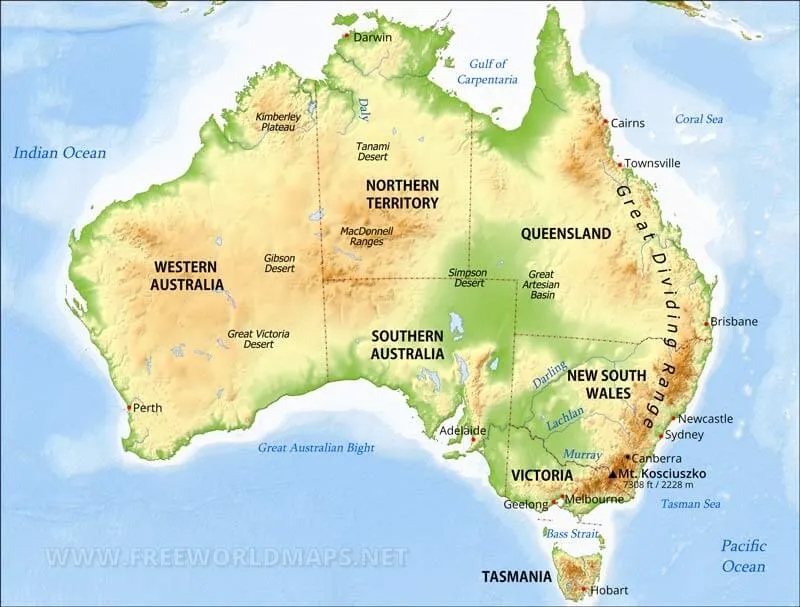
From major cities like Sydney, Melbourne, and Brisbane to regional communities, Australia is a hub for international trade, tourism, education, and business.
Its multicultural population brings together a wide range of cultures and traditions, shaping a society that values inclusivity and cross-cultural communication.
Have you thought about the languages spoken in Australia? Keep reading to learn about the top languages spoken in the country.
What Is The Official Language Of Australia
Australia does not have an official language at the federal level. However, English is the de facto national language, used in government, education, media, and daily communication.
Approximately 72–73% of Australians speak English as their first language, making it the primary language in practice. While there have been discussions about formally declaring English as the official language, no federal legislation has been enacted.
How many languages are spoken in Australia
Australia is one of the most linguistically diverse countries in the world, with over 300 languages spoken across the nation. This diversity reflects the country’s rich history of Indigenous cultures and immigration.
- Approximately 72–73% of Australians speak English at home, making it the primary language.
- Other commonly spoken languages include Mandarin, Arabic, Vietnamese, Cantonese, and Punjabi.
- Hundreds of Indigenous languages contribute to Australia’s unique linguistic heritage, though fewer than 20 are still in daily use across all age groups.
This linguistic diversity not only reflects Australia’s multicultural identity but also enriches its cultural, social, and economic life, making the country a vibrant and inclusive society.
Top Languages Spoken In Australia
1: English
English remains the primary language in Australia, spoken by around 72–73% of the population (over 18 million people). It serves as the main language used in government, education, media, and everyday communication across all regions.
2: Mandarin
Mandarin is the most common non-English language spoken by 685,274 Australians (2.7%), especially in Sydney, Melbourne, Brisbane, and Perth, due to recent migration from China.
3: Arabic

With 367,159 speakers (1.4%), Arabic is spoken in urban areas like Western Sydney, Dandenong, and Broadmeadows, representing communities from various Middle Eastern countries.
4: Vietnamese
Spoken at home by 320,758 Australians (1.3%), Vietnamese is prevalent in Melbourne, Sydney, Brisbane, and Adelaide, largely among descendants of post-war migrants.
5: Cantonese
Cantonese is spoken by 295,281 Australians (1.2%), and has a long history due to early Chinese immigration. It is widely used in cultural, social, and business settings, especially in Sydney (Chatswood, Haymarket) and Melbourne (Box Hill, Richmond).
6: Punjabi
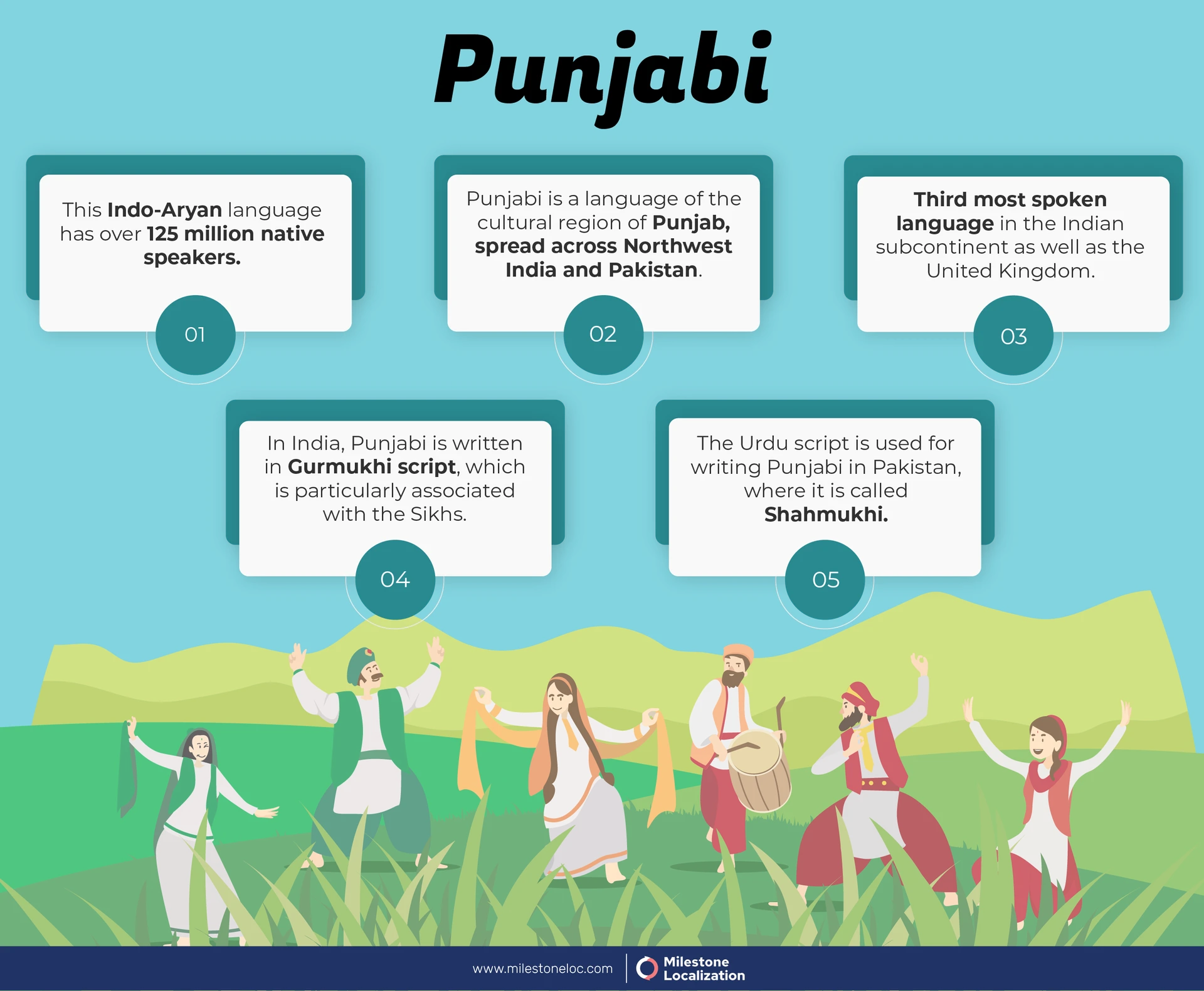
Punjabi is spoken by 239,033 Australians (0.9%), and is currently the fastest-growing language in the country. This growth is largely due to recent migration from India. The language is spoken within communities in Melbourne (Craigieburn), Sydney (Blacktown), and Brisbane.
7: Greek
Spoken by 229,643 Australians (0.9%), primarily among post-World War II migrant communities. Greek is most common in Melbourne (Oakleigh, Bentleigh), Sydney (Marrickville, Maroubra), and Adelaide.
8: Italian
Spoken by 228,042 Australians (0.9%), largely among families with Italian heritage. Italian is most common in Melbourne (Brunswick, Carlton), Sydney (Leichhardt, Haberfield), and Adelaide.
9: Tagalog/Filipino
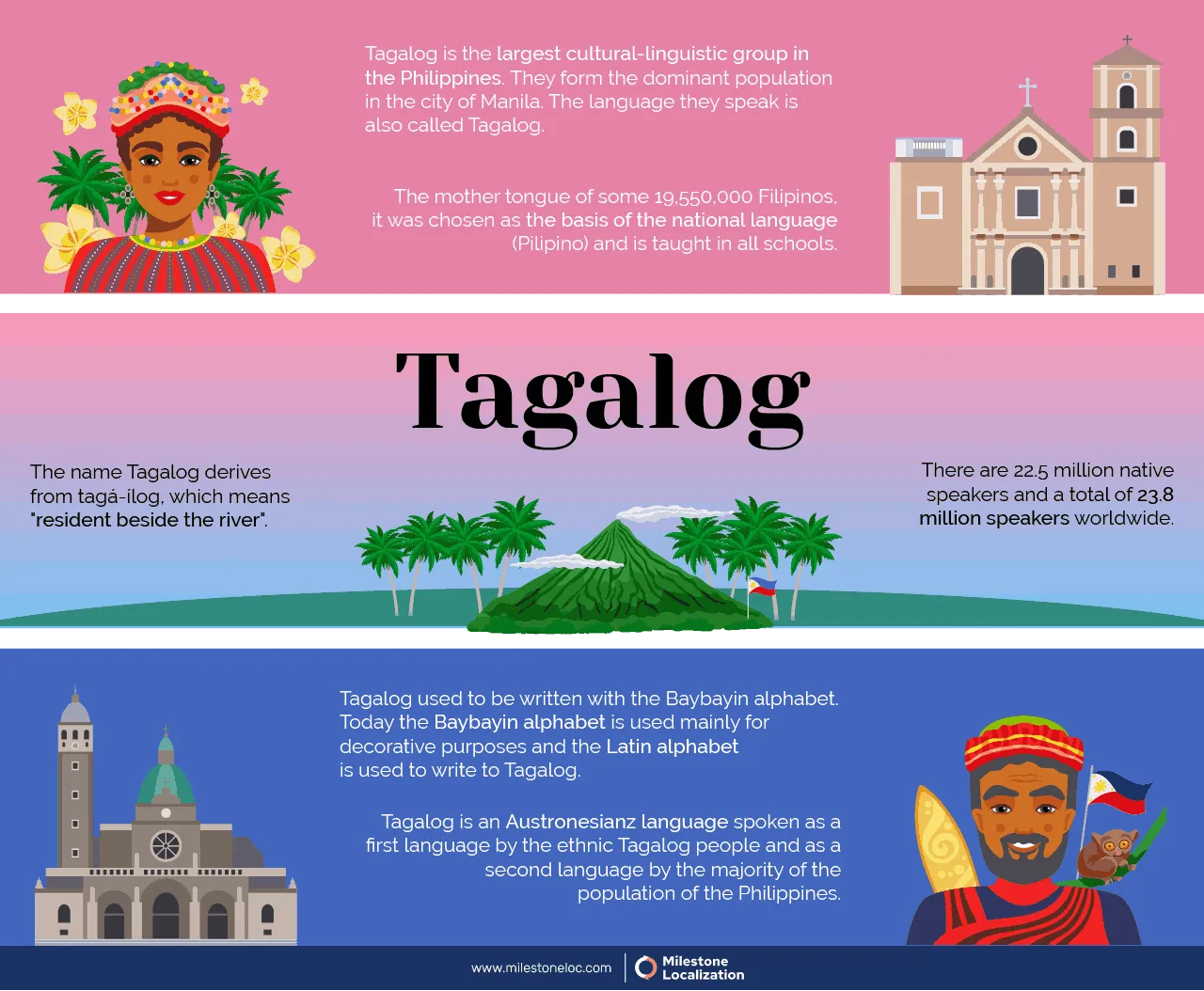
Tagalog is spoken by 222,048 Australians (0.9%), primarily in Sydney (Cabramatta), Melbourne (Dandenong), and Brisbane, reflecting migration from the Philippines.
10: Hindi
It is spoken by 197,132 Australians (0.8%), and has grown with recent migration from India and is widely used in community events, cultural programs, and businesses across Melbourne, Sydney, and Perth.
11: Spanish
Spanish is spoken at home by 171,370 Australians (0.7%), representing migrants from Spain, Latin America, and other regions. It contributes to cultural, educational, and social life and is spoken in Melbourne, Sydney, and Brisbane.
Indigenous Languages Of Australia
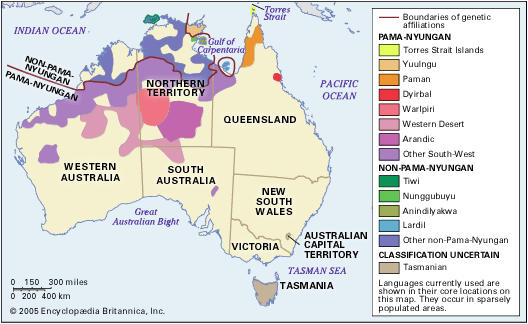
1: Arrernte
Arrernte is spoken by around 2,500 people in the Alice Springs region of Central Australia. It remains one of the strongest Indigenous languages, with active use in families, schools, and community programs.
2: Warlpiri
Warlpiri is spoken by approximately 3,000 people across Central and Northern Australia, especially in Yuendumu and Lajamanu. The language is widely used in daily life and cultural practices, maintaining a strong community presence.
3: Pitjantjatjara
Pitjantjatjara is spoken by about 2,000–3,000 people in the Central Desert regions of South Australia, Northern Territory, and Western Australia. It is actively taught in schools and used in local media and cultural events.
4: Kriol
Kriol, a creole language based on English and Indigenous languages, is spoken by roughly 30,000 people across the Northern Territory and parts of Western Australia. It serves as a first language for many communities while connecting Indigenous and non-Indigenous speakers.
5: Yolŋu Matha
Yolŋu Matha is a group of related languages spoken by about 7,000 people in northeastern Arnhem Land (Northern Territory). These languages are central to cultural ceremonies, education, and community life.
6: Noongar
Noongar is spoken by approximately 1,500 people in the southwest of Western Australia, including Perth and surrounding areas. Efforts to revive the language have increased its use in schools, media, and cultural events.
7: Kaurna
Kaurna is the traditional language of the Adelaide Plains region in South Australia, spoken by around 300 people today. Language revival programs are strengthening its presence in education and community activities.
Looking for Translation services in Australia?
History of Australia
The history of Australia is defined by a series of significant political, cultural, and economic developments that have shaped its role as a modern nation with a diverse population.
1: Pre-18th Century: Indigenous Era
Aboriginal People
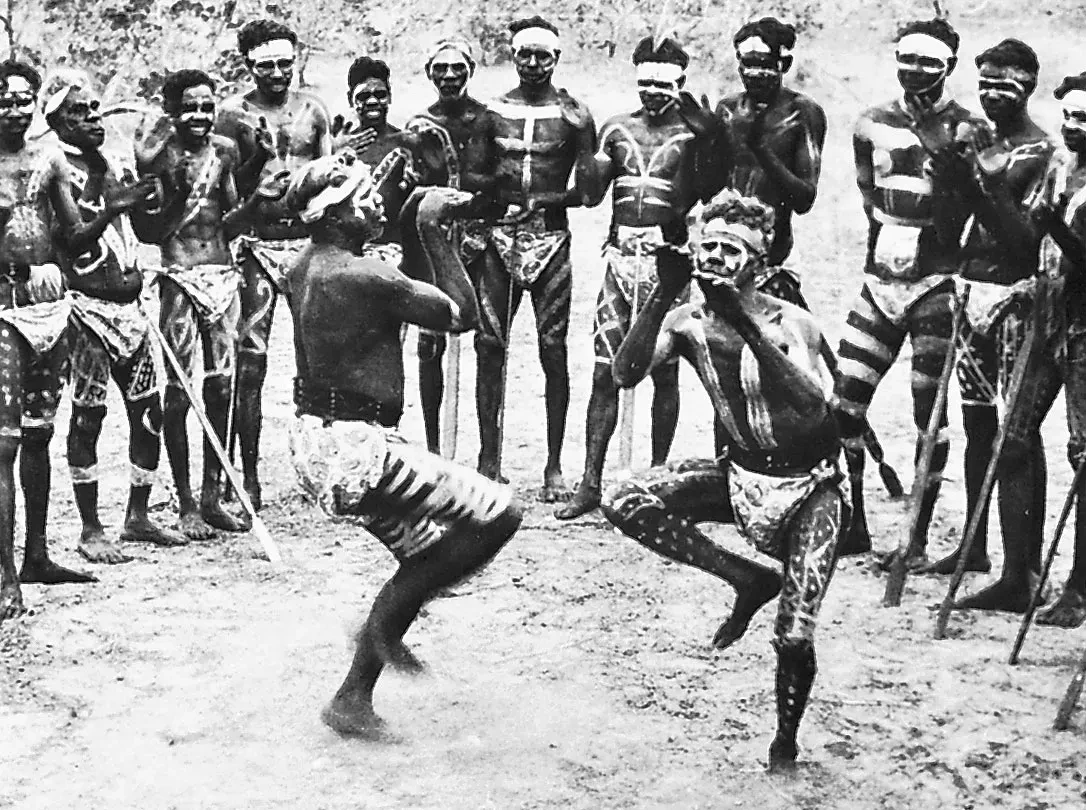
Long before European settlement, the land now known as Australia was inhabited by Aboriginal and Torres Strait Islander peoples. These communities developed rich and complex societies with unique languages, cultural practices, and spiritual beliefs deeply connected to the land and sea.
2: Late 18th Century (1788–1800s): British Colonial Period
The arrival of the First Fleet in 1788 marked the start of British settlement in New South Wales. British governance and customs reshaped the continent, while Indigenous communities fought to preserve their traditions under growing colonial pressure.
3: 19th Century: Expansion and Gold Rushes
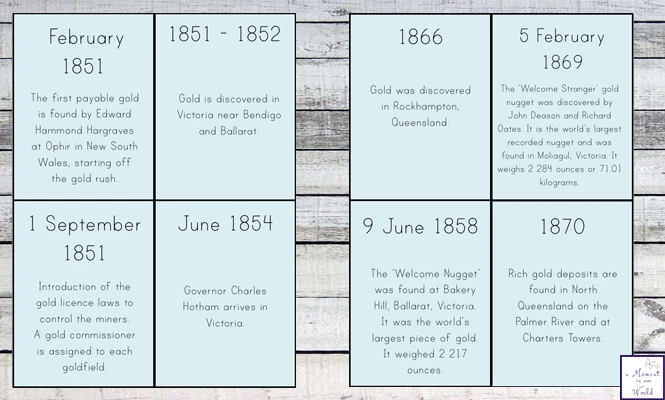
Throughout the 1800s, European settlements spread across Australia. The discovery of gold in the 1850s sparked rapid economic growth, urbanization, and migration. The British rule prevailed, but arrivals of migrants from Europe, China, and beyond made society more multicultural.
4: Early 20th Century: Federation and Nationhood
In 1901, Australia’s colonies united as a federation under the Commonwealth. National governance and industrial growth strengthened the young nation, though recognition of Indigenous rights remained unresolved.
Australian English Vs American English
Australian English and American English are two distinct varieties of the English language, each with unique vocabulary, pronunciation, and spelling conventions. Australian English generally follows British-influenced spelling, while American English favors simplified spellings.
Pronunciation in Australian English features a distinctive accent with vowel shifts and rising intonation patterns, whereas American English accents vary widely but typically have flatter intonation.
Vocabulary also differs between the two, reflecting cultural and regional influences. Despite these differences, both varieties remain mutually intelligible and share the same fundamental grammar and syntax.
Bilingual Education in Australia
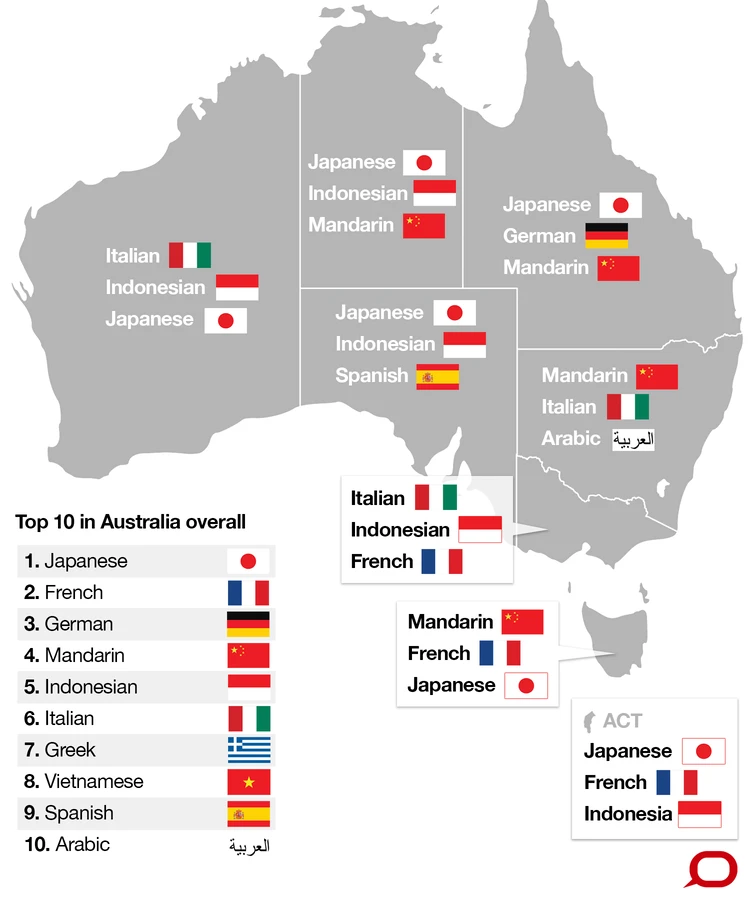
Top Languages Taught in Schools in Australia
Australia has implemented bilingual education programs to support students from diverse linguistic backgrounds, ensuring they can achieve academic success while maintaining their native languages. This approach reflects the country’s commitment to multiculturalism and equitable education for all learners.
Key Bilingual Education Programs in Australia
1: Dual Language Programs
- Offer instruction in English and another language, such as Mandarin, Arabic, or Italian.
- Focus on developing bilingualism, biliteracy, and cross-cultural awareness by teaching students in both languages.
2: Transitional Bilingual Education (TBE)
- Helps students gradually transition to full English proficiency while retaining their native language.
- Instruction slowly shifts from the native language to English over time.
3: English as an Additional Language or Dialect (EAL/D)
- Provides targeted English language support within mainstream classrooms.
- Enables students to access grade-level content while developing English proficiency.
These programs play a crucial role in promoting linguistic diversity, cultural understanding, and educational equity across the country.
How Companies Can Benefit from Translation Agencies in Australia
Australia’s rich linguistic diversity has created a growing demand for content in both local and international languages.
As a result, translation and localization companies have experienced steady growth, serving businesses across Australia and around the world.
Milestone Localization is one such company that supports organizations with professional translation and localization services.
Known for its focus on quality, accuracy, and reliability, the company helps businesses overcome language barriers and communicate effectively with diverse audiences, whether for domestic markets or global expansion.
Also Read: Top 10 Translation Companies in Australia
Conclusion
Australia’s history as a nation of migration and cultural exchange is reflected in its multilingual population, which shapes education, government services, commerce, and community life.
This diversity enriches the country’s social and cultural fabric and highlights the need for inclusive language policies and culturally responsive services. Supporting linguistic diversity remains essential for promoting equity, access, and cohesion as Australia continues to grow and evolve.
Are You Looking for Certified Translation services in Australia?
FAQS
What is the most commonly spoken language in Australia?
English is the most widely spoken language in Australia and serves as the country’s de facto national language. It’s used in government, education, business, and daily communication.
How many languages are spoken in Australia?
Australia is one of the most linguistically diverse countries in the world, with over 300 languages spoken. This includes Indigenous languages, as well as immigrant and community languages from around the globe.
What are the most spoken languages in Australia after English?
The top non-English languages spoken in Australia include Mandarin, Arabic, Vietnamese, Cantonese, Punjabi, and Hindi, reflecting the country’s multicultural population.
Are Indigenous languages still spoken in Australia?
Yes, around 150 Indigenous languages are still spoken today, although many are endangered. Efforts are being made to preserve and revitalize these languages through community programs and education initiatives.
Which Australian cities are the most linguistically diverse?
Major cities like Sydney, Melbourne, and Brisbane are the most linguistically diverse, with large immigrant populations. In these cities, you’ll hear a mix of languages such as Mandarin, Arabic, Greek, Italian, and Hindi in daily life.
What are the most common languages used in Australian schools and workplaces?
While English is the main language of instruction and communication, schools and workplaces across Australia also accommodate other languages such as Mandarin, Arabic, Hindi, and Vietnamese, especially in multicultural communities. Many institutions encourage bilingualism to support inclusivity and better communication.