
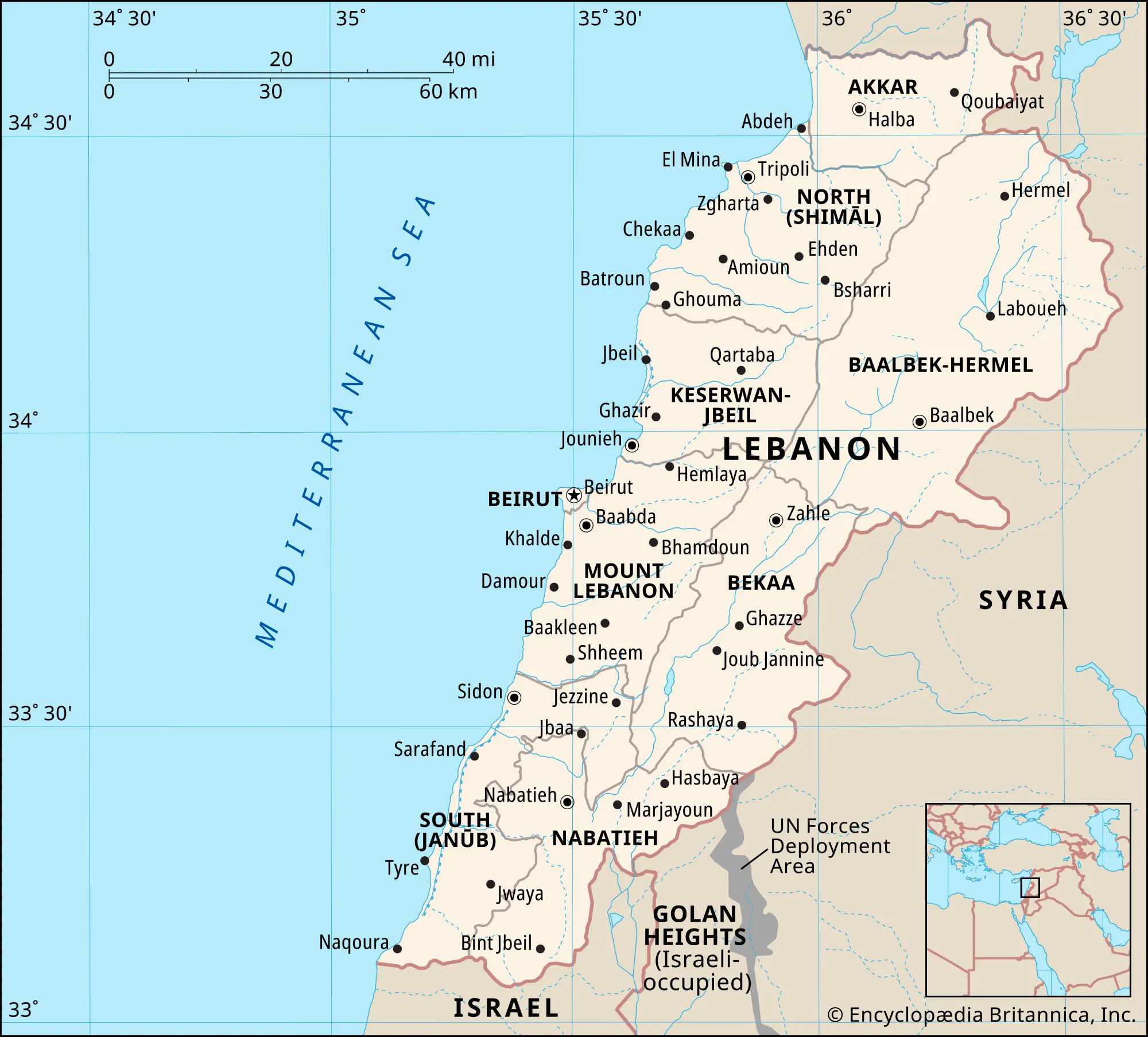
Lebanon is a small country on the eastern coast of the Mediterranean Sea, bordered by Syria to the north and east and Israel to the south. With a population of over 5 million people, it is one of the most linguistically and culturally diverse countries.
Lebanon’s long history of trade, migration, foreign influence, and international education has made the country naturally multilingual, with different languages used across both professional and everyday life.
Lebanon is one of the most multilingual countries in the Middle East, where people regularly move between Arabic, French, and English in daily conversations, education, business, and media.
Keep reading to explore the top languages spoken in Lebanon and how they shape communication in Lebanese society.
What Is the Official Language of Lebanon?
The language most Lebanese people actually speak day to day is Lebanese Arabic, a distinct and expressive dialect that has evolved over centuries and carries strong influences from French, English, Syriac, and Ottoman Turkish. While Modern Standard Arabic is used in formal settings such as media, education, and government, everyday conversations are usually carried out in the local dialect.
The gap between the formal written language and the spoken dialect is significant, and navigating both is a natural part of life for most Lebanese people. French holds a strong co-official role in practice. It remains deeply embedded in the legal system, higher education, and professional life, a legacy of the French Mandate period that never fully faded even after independence.
Top Languages Spoken in Lebanon
Lebanon has one of the most diverse linguistic landscapes in the Middle East, where Arabic, French, and English exist alongside heritage languages preserved by communities for generations.
Also Read: Top Languages Spoken in Dubai
1. Lebanese Arabic
Lebanese Arabic is the mother tongue of more than 90% of Lebanon’s population and the language of everyday life across the country. It is a Semitic dialect enriched with loanwords from French, English, Syriac, and Ottoman Turkish, giving it a distinctly Mediterranean character that sets it apart from other Arabic dialects in the region
2. Modern Standard Arabic
Modern Standard Arabic, known as Fusha, is the formal written language used across education, media, government, and official settings in Lebanon. While understood by nearly the entire population, it is rarely spoken in casual conversation that the role belongs to the Lebanese dialect.
3. French
Around 45% of Lebanon’s population can speak or understand French to varying degrees, a legacy of the French Mandate period from 1920 to 1943. Today it remains embedded in the legal system, higher education, and professional life, with many Lebanese switching between Arabic and French in the same sentence.
4. English
Approximately 35% of Lebanon’s population speaks English fluently or at a conversational level. It gained ground through American educational institutions, most notably the American University of Beirut, and is now the dominant language in business, technology, and international communication.
5. Armenian
Armenian is spoken by Lebanon’s Armenian community, which makes up roughly 5% of the population. The community traces its roots to the early twentieth century, when survivors of the 1915 genocide settled in Beirut and established schools, media, and cultural institutions that continue to preserve the language today.
6. Kurdish
Kurdish is spoken by a small minority, estimated at less than 1% of the population, primarily in working-class neighbourhoods of Beirut. Many Kurdish speakers arrived in Lebanon as migrant workers or refugees and have maintained their language through community and family life.
7. Syriac and Aramaic
Syriac is a classical form of Aramaic spoken by Maronite and Assyrian Christian communities in Lebanon, used today mainly in liturgical and religious settings. It is considered one of the oldest surviving Semitic languages and is preserved by the communities that carry its historical and spiritual significance forward.
Need Translation Services for the Lebanese Market?
The Role of French in Lebanon
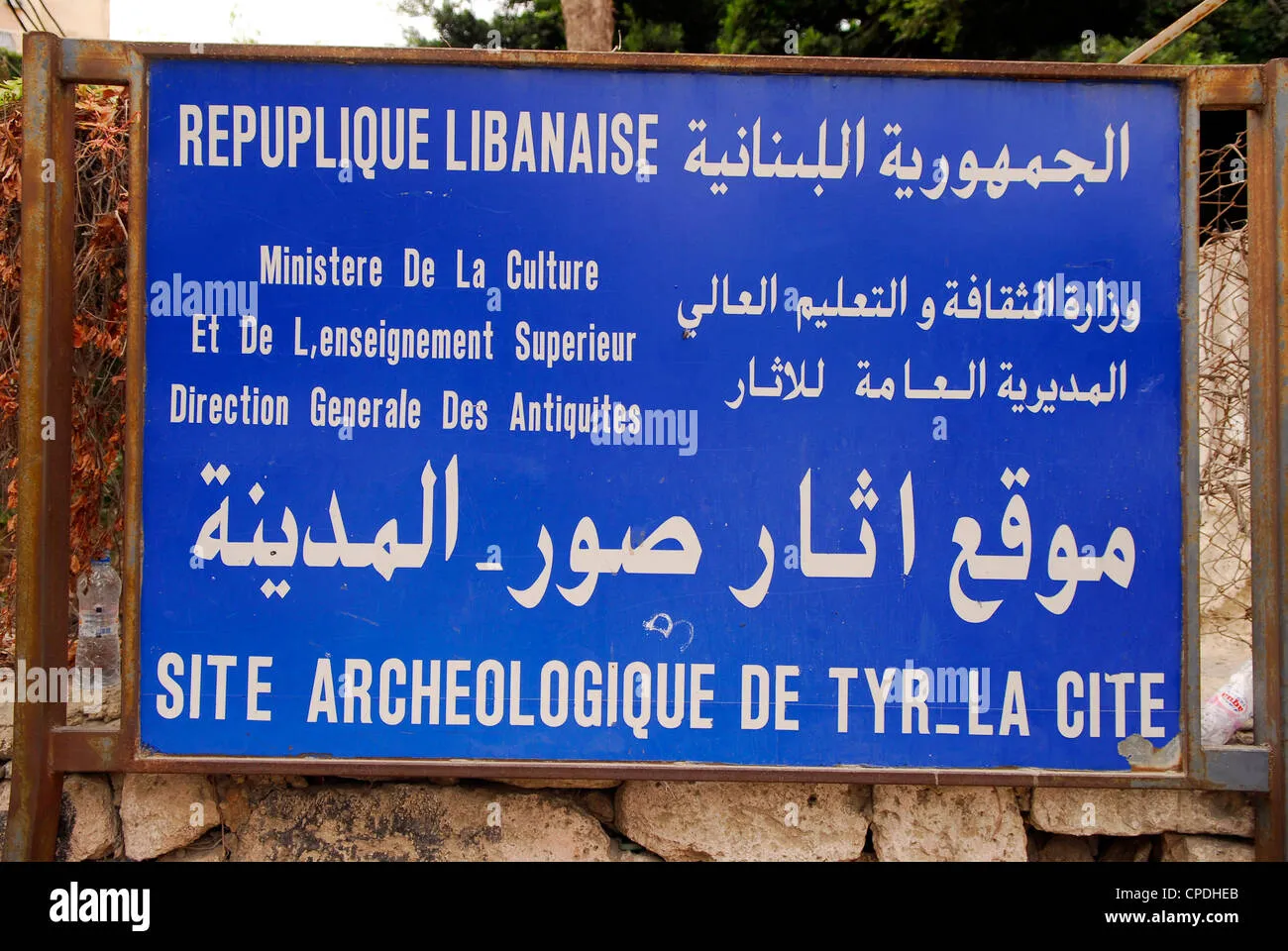
French has been part of Lebanon for centuries through cultural and religious ties between France and Lebanon’s Maronite Christian communities. French missionary schools introduced the language long before the French Mandate period. During the French Mandate from 1920 to 1943, French became the language of administration and education.
Even after independence, it remained deeply embedded in Lebanon’s legal system, universities, and professional culture. Today, French is still widely used in business, law, education, and media. Many Lebanese people switch naturally between French and Arabic in everyday conversations.
The Role of English in Lebanon
English grew rapidly in Lebanon through the influence of institutions such as the American University of Beirut and the country’s international business environment. English is widely used in technology, banking, higher education, media, and international communication. It is especially common among younger professionals and startup communities in Beirut. For international companies working in Lebanon, English remains an important language for business and professional communication.

Minority and Heritage Languages in Lebanon
Armenian
Lebanon’s Armenian community has preserved its language through schools, churches, newspapers, and cultural institutions, particularly in Beirut’s Bourj Hammoud district. Armenian remains an important part of community identity and cultural life.

Source:
Bourj Hammoud is a town and municipality in Lebanon located north-east of the capital Beirut, in the Matn District, and is part of Greater Beirut. The town is heavily populated by Lebanese Armenians.
Syriac and Aramaic
Syriac continues to hold religious and historical significance among Maronite and Assyrian Christian communities. While rarely used in daily conversation, it remains present in liturgy, religious education, and ceremonial traditions.
Kurdish
Kurdish is maintained within Lebanon’s Kurdish communities through family and community life. Despite limited official recognition, the language remains part of Lebanon’s broader cultural and linguistic diversity.
History of Lebanon and Its Linguistic Influence
Ancient and Phoenician Era
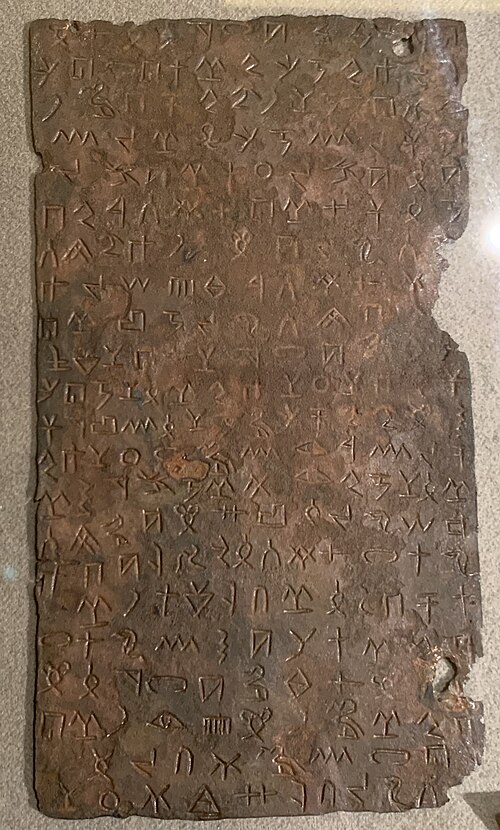
Lebanon was home to the Phoenicians, one of the ancient world’s great seafaring and trading civilisations. The Phoenicians developed one of the earliest alphabets, which became the foundation for Greek, Latin, Arabic, and most modern Western scripts. The linguistic legacy of this era echoes through the region’s languages to this day. The Byblos script, also known as the Byblos syllabary, Pseudo-hieroglyphic script, Proto-Byblian, Proto-Byblic, or Byblic, is an undeciphered writing system, known from fourteen inscriptions found in Byblos, a coastal city in Lebanon.
Source:
The Byblos script, also known as the Byblos syllabary, Pseudo-hieroglyphic script, Proto-Byblian, Proto-Byblic, or Byblic, is an undeciphered writing system, known from fourteen inscriptions found in Byblos, a coastal city in Lebanon.
Ottoman Period
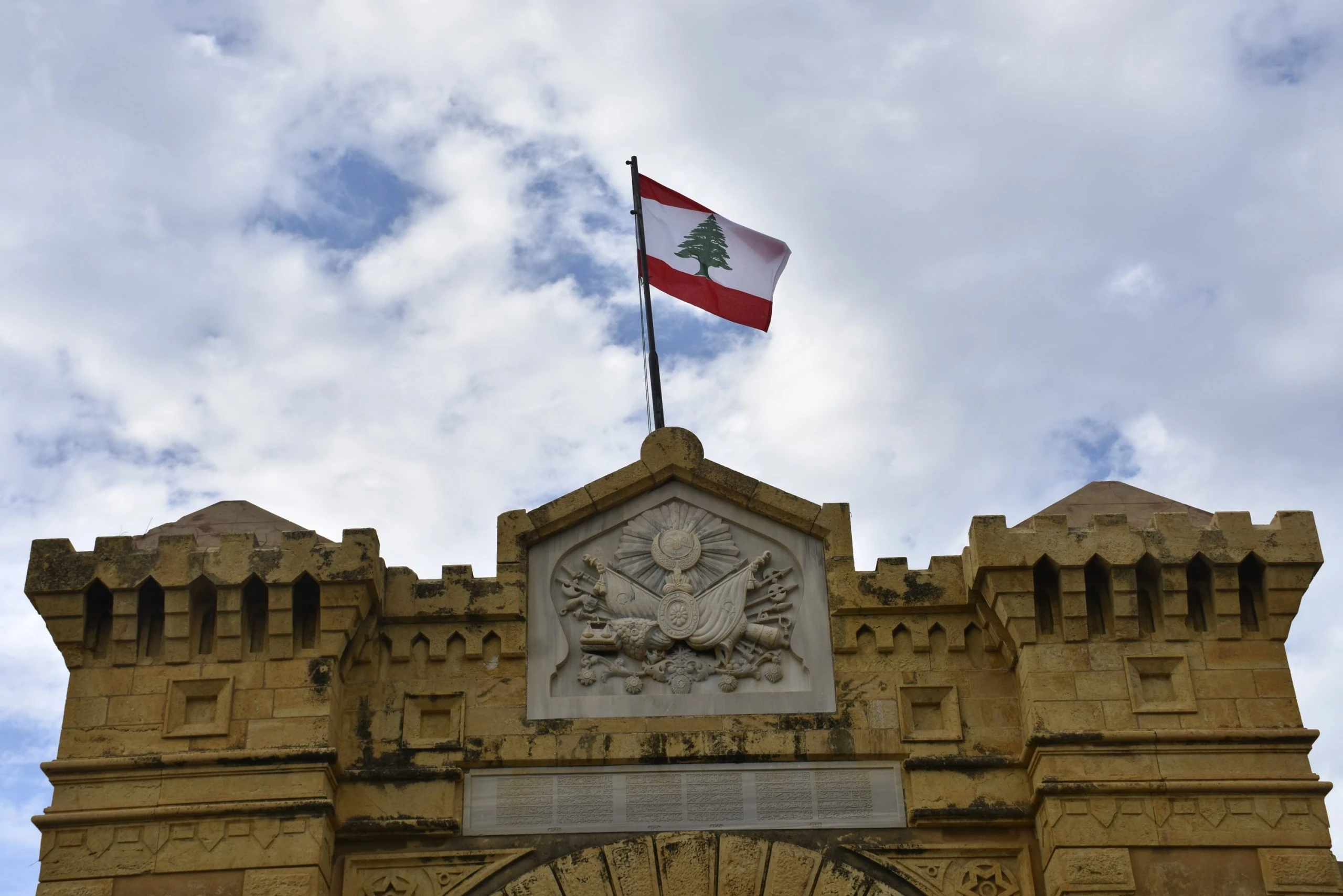
For four centuries, Lebanon was part of the Ottoman Empire. Ottoman Turkish influenced the administrative and legal language of the region, and traces of Ottoman vocabulary remain in Lebanese Arabic to this day. During this period, French missionaries were already establishing schools and spreading the French language among Lebanon’s Christian communities.
Source:
Close-up of the coat of arms of the Ottoman Empire on the gate of Baabda Mansion, Lebanon
French Mandate (1920–1943)
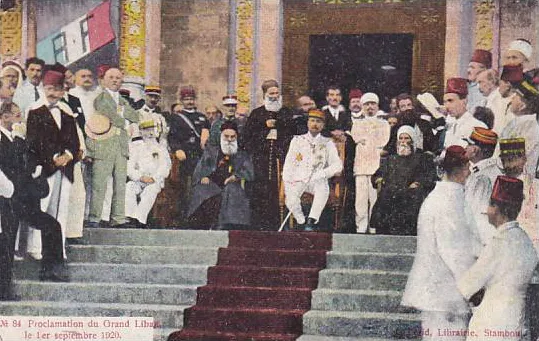
The French Mandate formalised the role of French in Lebanon’s governance, education, and legal system. French became the language of administration, courts, and many schools, embedding itself into Lebanese institutional life in ways that outlasted the Mandate itself by generations.
Independence and Modern Lebanon
Lebanon gained independence in 1943, and the following decades saw the country emerge as a regional centre of culture, finance, education, and publishing, earning Beirut the title of the Paris of the Middle East. This period accelerated the spread of English alongside the established French, producing the trilingual professional culture that characterises Lebanon today.
Lebanese Arabic vs Modern Standard Arabic
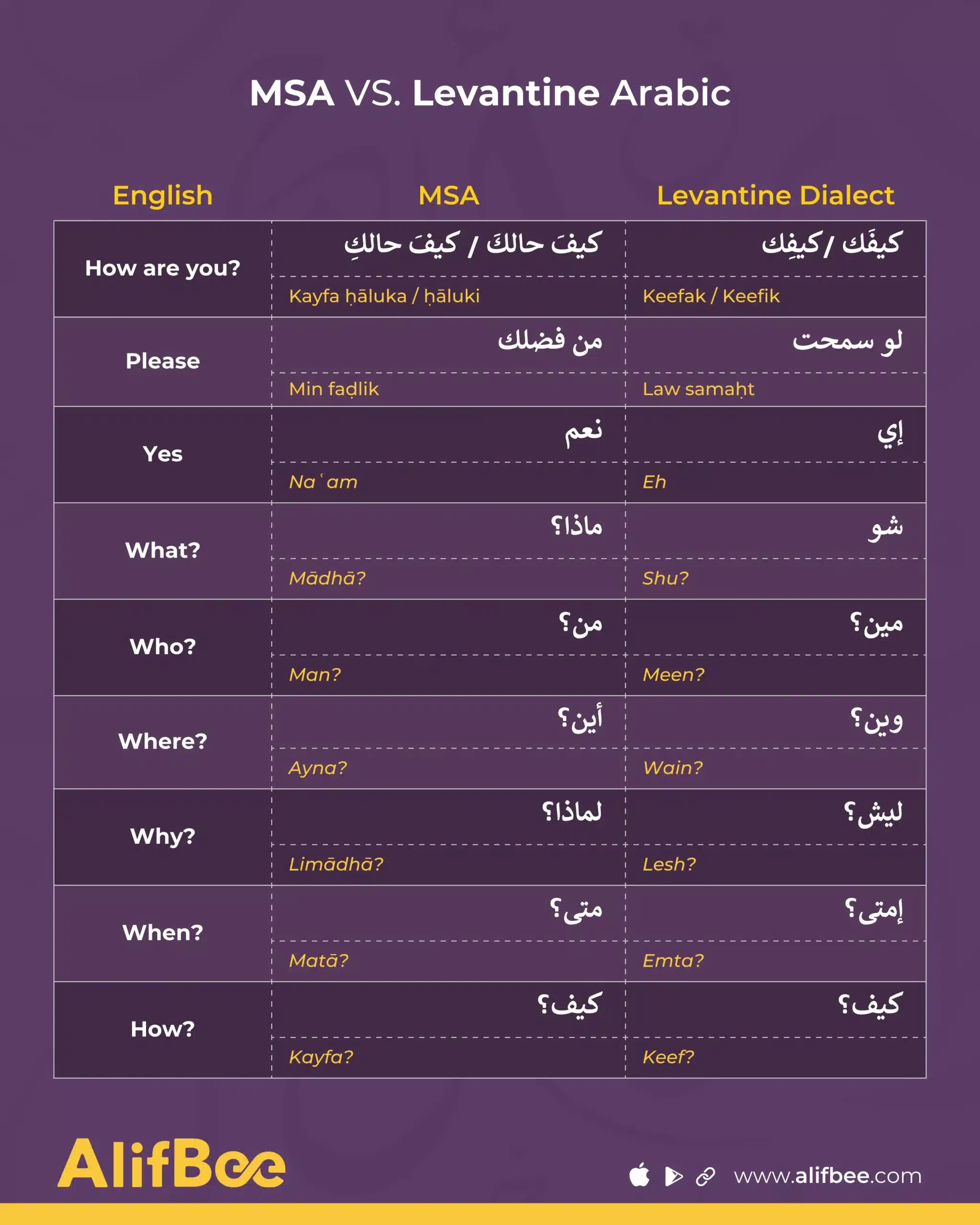
The distinction between Lebanese Arabic and Modern Standard Arabic matters enormously for anyone communicating with Lebanese audiences. Lebanese Arabic is the spoken dialect, warm, fast-paced, and laced with French and English loanwords. It is the language of conversation, social media, television, comedy, and human connection.
Modern Standard Arabic is formal, written, and used in news broadcasts, official documents, and educational settings. Most Lebanese people read and write in Modern Standard Arabic and speak in Lebanese dialect, switching between the two depending on context. For businesses producing marketing content, social media, or customer communications for Lebanon, the dialect question is not minor.
Content written in formal Modern Standard Arabic can feel distant or stiff to a Lebanese reader. Content written in Lebanese dialect feels immediate and local. Understanding which register to use and when is part of what professional localisation for Lebanon actually requires.
Also Read: Top Languages Spoken in Egypt
Language and Education in Lebanon
Lebanon’s school system is one of the most multilingual in the world. Most private schools operate primarily in French or English, with Arabic taught as a subject rather than as the medium of instruction. Public schools teach in Arabic but include French and English as core subjects from early grades. At the university level, the divide is most visible. The American University of Beirut operates entirely in English and is one of the most respected universities in the Arab world.
The Université Saint-Joseph operates primarily in French and holds a similarly prestigious place in Lebanese academic life. Students navigate between these two traditions depending on their school background, family preference, and professional ambitions.
This multilingual educational system produces graduates who are genuinely comfortable in multiple languages, a significant asset for international business, but also a reflection of a society that has always lived between worlds.
Meeting Lebanon’s Multilingual Communication Needs
Lebanon’s multilingual market means that reaching a Lebanese audience effectively requires more than a single language strategy. Marketing content, legal documents, and business communications often need to exist in Arabic, French, and English simultaneously, and each version needs to be accurate, culturally appropriate, and calibrated for the right register.
Also Read: Languages Spoken in New Zealand

Localising for Lebanese audiences also means understanding the difference between Modern Standard Arabic and Lebanese Arabic, and making deliberate choices about which to use and when. A translation that ignores this distinction may be technically accurate but feel wrong to the reader it is meant to reach.
Milestone Localization supports businesses entering the Lebanese and broader Arab market with professional translation and localisation services built on cultural understanding, not just linguistic accuracy. Whether you need content in Arabic, French, Armenian, or any of the other languages spoken across Lebanon and the region, working with a professional language partner ensures your message lands the way it was intended.
Looking for translation services for the Lebanese market? Get in touch
Conclusion
Lebanon’s linguistic landscape is a product of its history, its geography, and the people who have called it home across millennia. Arabic, French, and English coexist in daily life in a way that is genuinely unique in the world not as competing forces, but as layers of a society that has always been at the crossroads of civilisations.
For businesses, communicators, and anyone seeking to connect with Lebanese audiences, understanding this multilingual reality is not optional. It is the starting point for any communication that hopes to be heard.
FAQS
What are the top languages spoken in Lebanon?
The top languages spoken in Lebanon are Lebanese Arabic, Modern Standard Arabic, French, and English. Minority languages such as Armenian, Kurdish, Syriac, and Aramaic are also spoken by different communities across the country
What language do people speak in Lebanon?
People in Lebanon primarily speak Lebanese Arabic in daily life. Modern Standard Arabic is used in formal communication, while French and English are also widely spoken across education, business, and media.
Is French still widely spoken in Lebanon?
Yes, French remains widely spoken in Lebanon, especially in education, law, business, and government-related sectors. Many Lebanese people switch between Arabic and French in everyday conversations.
What is the difference between Lebanese Arabic and Modern Standard Arabic?
Lebanese Arabic is the spoken dialect used in everyday communication, while Modern Standard Arabic is the formal written language used in news, official documents, education, and media.
Do Lebanese people speak English?
Yes, English is commonly spoken in Lebanon, particularly among younger generations and professionals. It is widely used in higher education, technology, business, and international communication.
What are the minority languages of Lebanon?
Minority languages spoken in Lebanon include Armenian, Kurdish, Syriac, and Aramaic. These languages are preserved through local communities, religious traditions, schools, and cultural institutions.