
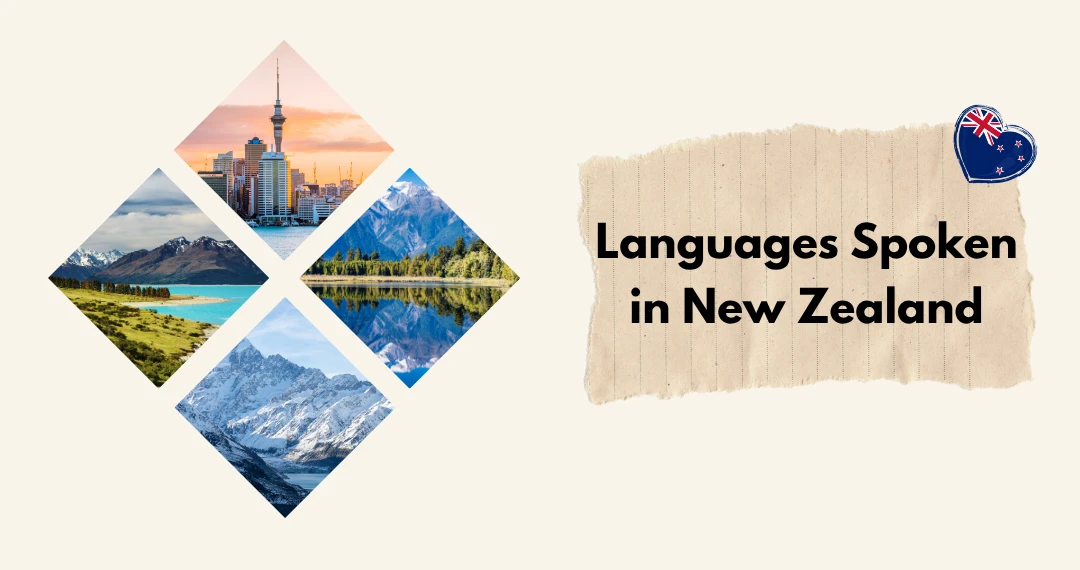
New Zealand is an island country in the southwestern Pacific Ocean, located southeast of Australia. It has a population of approximately 5 million people and covers an area of about 268,000 square kilometers, consisting of two main islands the North Island (Te Ika-a-Māui) and the South Island (Te Waipounamu).
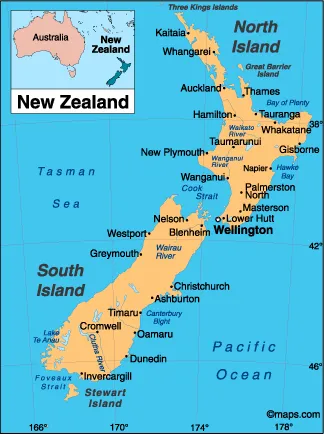
The country is known for its stunning landscapes, from snow-capped mountains and rolling hills to pristine beaches. It also has a rich cultural heritage, shaped by both Māori traditions and a diverse immigrant population.
Though geographically isolated, New Zealand’s history of migration and cultural exchange has created a multilingual society, reflecting the diversity of its communities.
Have you thought about the languages spoken in New Zealand? Keep reading to learn about the official and foreign languages spoken in the country.
What Is The Official Language Of New Zealand
New Zealand recognizes two official languages: Māori (te reo Māori), and New Zealand Sign Language (NZSL). Each language reflects the country’s cultural diversity and is primarily used by specific communities.
1: Māori (te reo Māori) – Indigenous Language
Māori, the language of the Indigenous Māori people, became an official language in 1987. It is spoken by around 4% of the population, with over 200,000 New Zealanders able to converse in te reo Māori.
The language holds immense cultural and historical significance and is actively used in schools, communities, public services, and media to preserve Māori heritage.
2: New Zealand Sign Language (NZSL) – Language of the Deaf Community
NZSL, officially recognized in 2006, is the primary language of the Deaf community. It ensures access to communication, education, and public services, supporting inclusivity and equal participation in society.
How Many Languages Are Spoken In New Zealand
New Zealand is a linguistically diverse country, with over 160 languages spoken across the country, reflecting its multicultural population and rich immigrant history.
- English – Spoken by approximately 95.4% of the population, making it the primary language used in government, education, and daily life.
- Māori (te reo Māori) – Spoken by around 4.0% of the population, with over 200,000 New Zealanders able to speak te reo Māori.
- Other commonly spoken languages – Samoan, Mandarin, Hindi, French, Tongan, and Korean.
This diversity not only enriches New Zealand’s cultural landscape but also strengthens its identity as an inclusive and multicultural society.
Top Languages Spoken In New Zealand
1: English
English is the most widely spoken language in New Zealand, used by over 95% of the population in daily life, government, education, and media. It serves as the main language of communication across the country and forms the foundation of New Zealand’s public and administrative systems.
2: Samoan
Spoken by approximately 37,752 people (0.76%), Samoan is widely used among the Pacific Islander community, especially in Auckland. It reflects the strong cultural ties and traditions maintained by Samoan New Zealanders.
3: Mandarin
Spoken by around 107,412 people (2.15%), Mandarin has grown significantly due to immigration from China. It is commonly used in schools, businesses, and Chinese communities.
4: Hindi
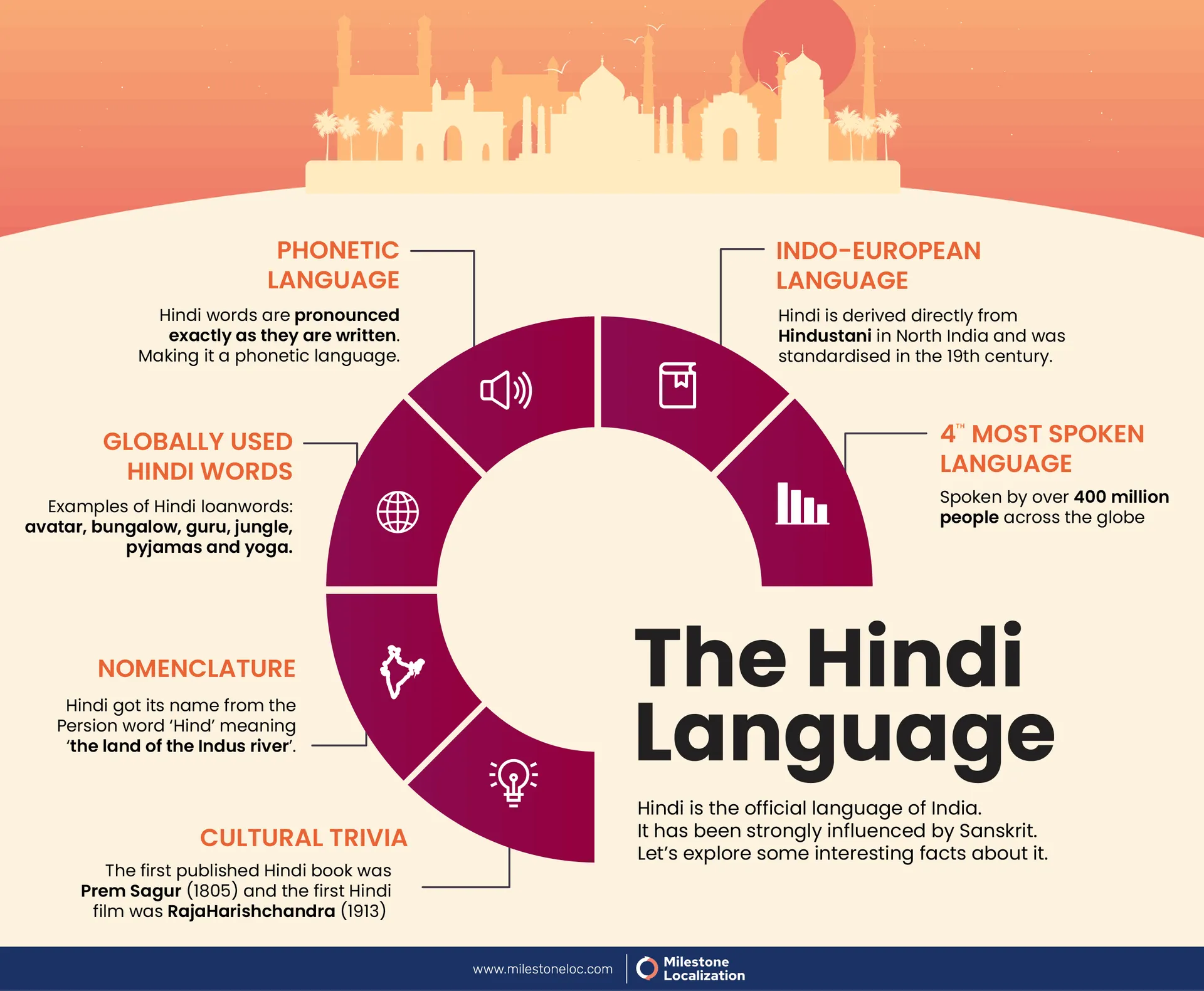
Spoken by about 77,985 people (1.56%), Hindi is primarily used within the Indian community at home, cultural events, and religious gatherings, helping preserve connections to Indian heritage and traditions.
5: Tongan
Spoken by around 37,752 people (0.76%), Tongan is prevalent among Tongan New Zealanders, particularly in Auckland, and helps maintain cultural practices and community life.
6: Korean
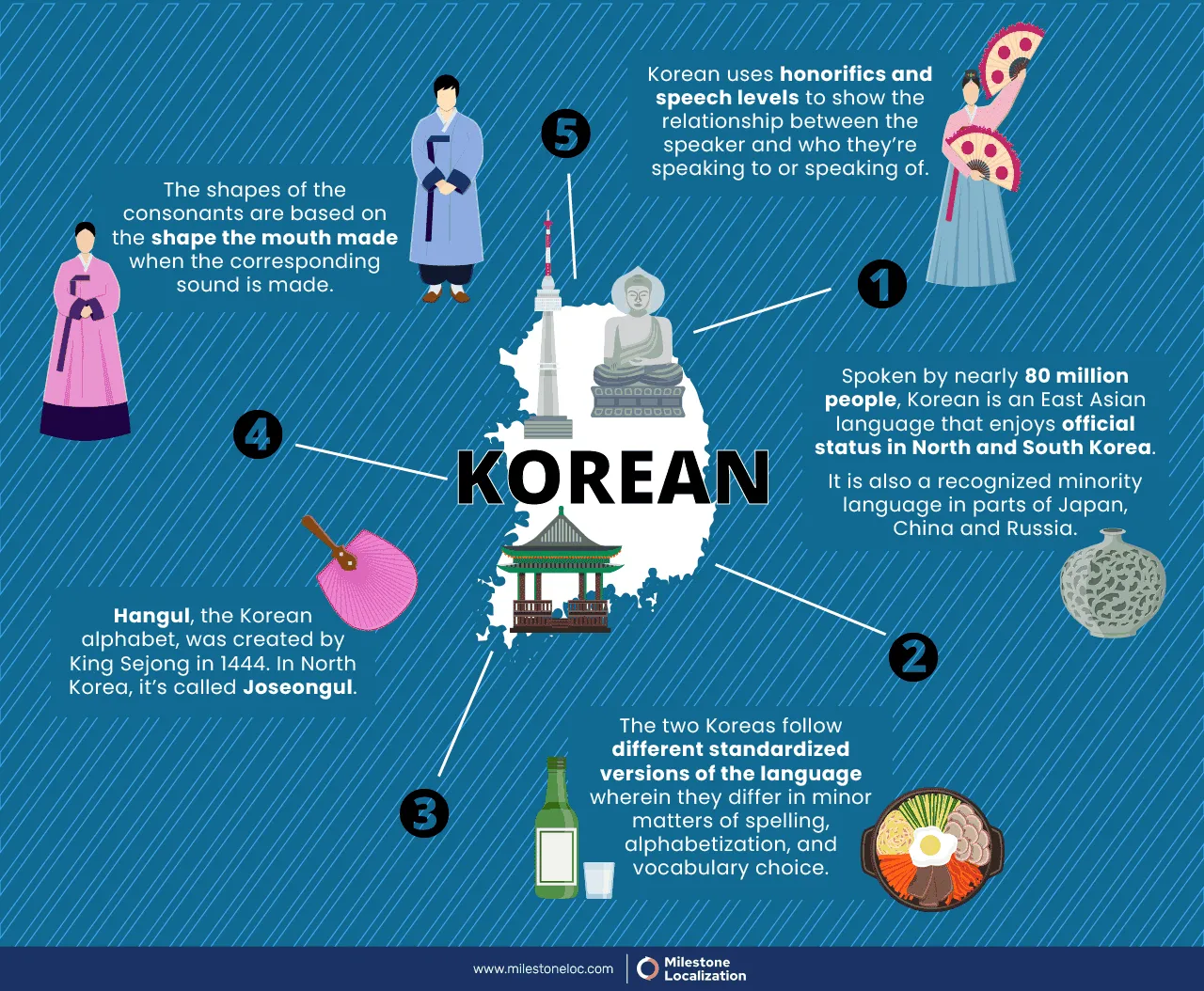
Spoken by about 32,871 people (0.66%), Korean is maintained through family use, language schools, community organizations, and cultural programs.
7: Tagalog (Filipino)
Spoken by approximately 59,517 people (1.19%), Tagalog is used mainly by the Filipino community in New Zealand. It is spoken in homes, community gatherings, and cultural events, helping maintain strong family and cultural ties.
8: Spanish
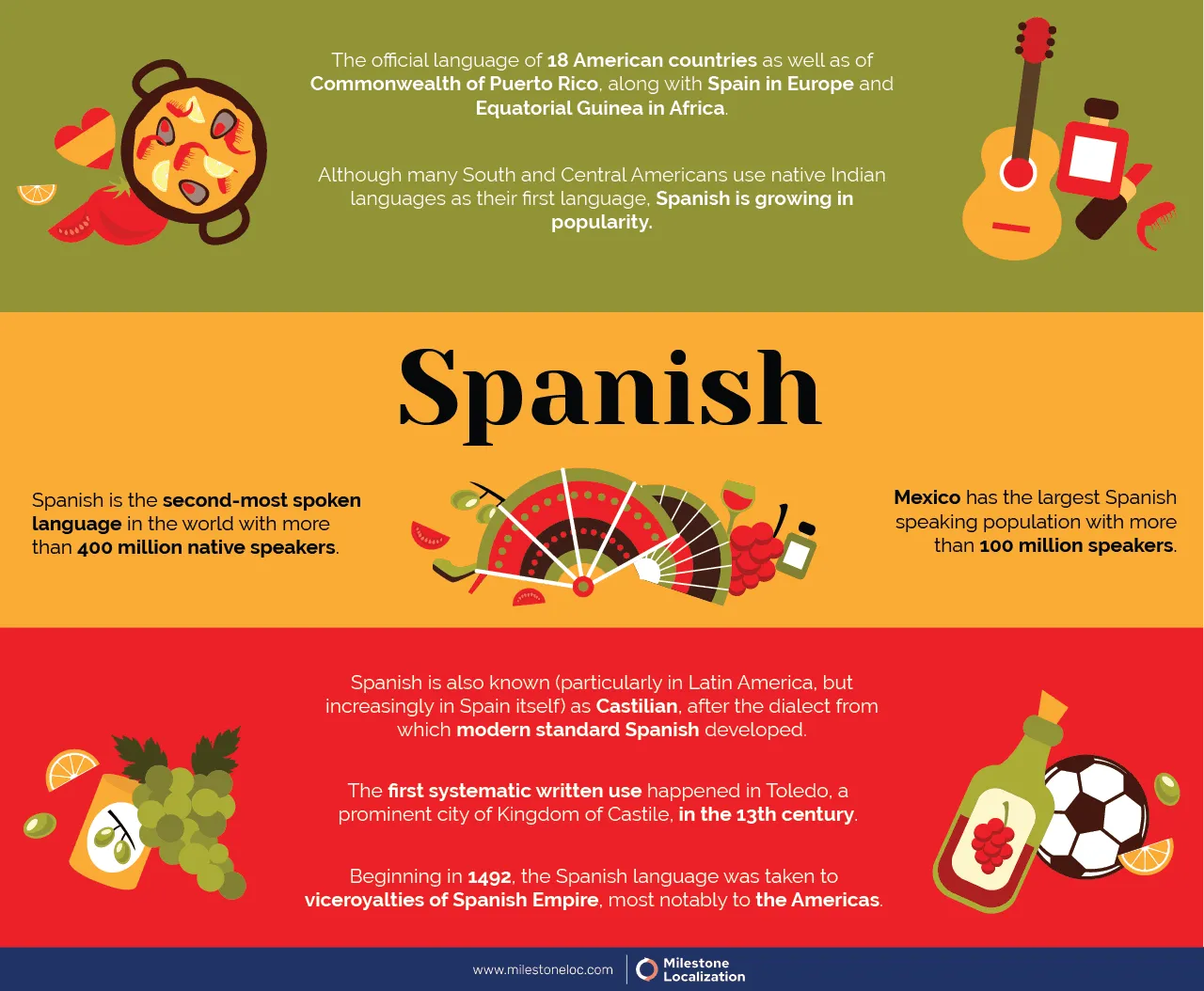
Spoken by around 47,004 people (0.94%), Spanish is used by immigrants from Latin America and Spain. It is often spoken at home and in community networks, contributing to the multicultural fabric of New Zealand.
Language of Business in New Zealand
New Zealand’s business environment is shaped by its multicultural population and strong international connections. English serves as the primary language for domestic business, government, education, and professional communication.
While English remains the main language, other languages such as Mandarin, Hindi, and Japanese are used in international trade, reflecting New Zealand’s growing economic ties with Asia and beyond.
Many professionals also use at least one foreign language at work, with English being the most common, followed by languages spoken by major immigrant communities.
This multilingual approach supports global business operations while highlighting New Zealand’s cultural diversity and inclusive society.
Looking for Translation services in New Zealand?
Language of Education in New Zealand
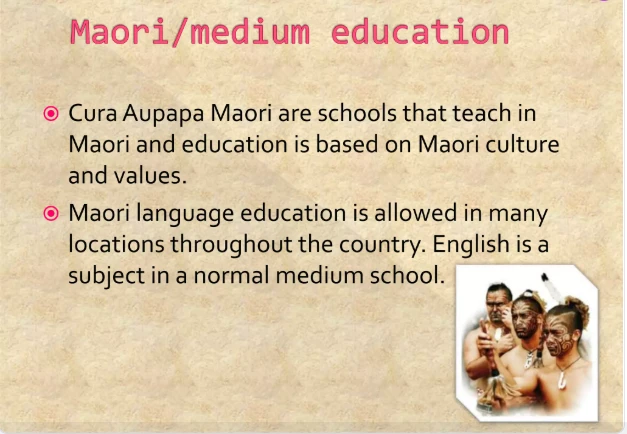
The language of education in New Zealand is shaped by the country’s bilingual and multicultural framework. English serves as the primary medium of instruction in most schools and tertiary institutions, while te reo Māori, the Indigenous language, is integrated through bilingual and immersion programs to support cultural revitalization.
Foreign languages are also an important part of the curriculum. Languages such as Mandarin, Spanish, and French are commonly offered, helping students develop multilingual skills and preparing them for both domestic and global opportunities.
But unlike other countries New Zealand does not currently mandate compulsory second language learning, resulting in a significant decline in enrolment the lowest in nearly a century.
History Of New Zealand
The history of New Zealand is marked by significant political, cultural, and social changes that shaped it into a modern, bicultural nation with a unique identity.
1: Pre-13th Century: Indigenous Māori Era

Maori People
Long before European arrival, New Zealand was inhabited by the Māori, Polynesian settlers who arrived around 1250–1350 CE. These communities developed rich cultural traditions, languages, and deep spiritual connections to the land, establishing the foundation of New Zealand’s indigenous heritage.
2: Early 19th Century: European Contact and Influence
From the late 18th century, European explorers, missionaries, and traders arrived, introducing new technologies, trade goods, and customs that influenced Māori society and set the stage for future colonial relations.s.
3: Mid-19th Century (1840 onwards): Treaty of Waitangi and British Colonization

Treaty of Waitangi
In 1840, the Treaty of Waitangi was signed between Māori chiefs and representatives of the British Crown, establishing British sovereignty and shaping political and cultural relations. British colonization brought settlement growth, economic development, and infrastructure, but also land disputes and tensions with Māori communities.
4: Late 19th Century to Present: Nation Building, Sovereignty, and Biculturalism
New Zealand established democratic institutions, introduced social reforms such as women’s suffrage in 1893, and achieved independence in 1947. Balancing European settler growth with Māori cultural revival, the nation recognized Treaty rights and embraced multiculturalism, forming a progressive, bicultural society.
How companies can benefit from translation agencies in New Zealand
New Zealand’s rich linguistic diversity has created a growing demand for content in both local and international languages. As a result, translation and localization companies have seen steady growth, serving both national and international markets.
Milestone Localization is one such company that supports organizations across New Zealand and around the world with professional translation and localization services. Known for its focus on quality, accuracy, and reliability, the company helps businesses navigate language barriers and communicate effectively with global audiences.
Also Read: Top 10 Translation Companies In New Zealand
Conclusion
New Zealand reflects its Indigenous heritage and multicultural population through a rich and diverse linguistic landscape.
The country recognizes two official languages, Māori (te reo Māori) and New Zealand Sign Language, alongside widely spoken immigrant languages such as Mandarin, Hindi, Samoan, and Spanish.
These languages not only preserve New Zealand’s Indigenous and immigrant cultures but also enrich everyday life, education, and public interaction.
Are You Looking for Certified Translation services in New Zealand?
FAQS
What are the official languages of New Zealand?
New Zealand recognizes Māori (te reo Māori) and New Zealand Sign Language (NZSL) as official languages under New Zealand law. English is the most widely used language in everyday life, business, education, and government.
What is the most widely spoken language in New Zealand?
English is the most widely spoken language in New Zealand and is used across everyday communication, education, business, government, and media.
How widely is Māori spoken in New Zealand?
Māori (te reo Māori) is spoken by Māori communities and other New Zealanders and is supported through education, media, public services, and language revitalization programs. It plays an important role in preserving Māori culture and identity.
What are the most commonly spoken languages in New Zealand besides English?
Besides English, commonly spoken languages include Māori, Samoan, Mandarin, Hindi, Tongan, Tagalog, Korean, and Spanish. The country’s multilingual population reflects its Māori heritage, Pacific connections, and diverse immigrant communities.
Which Pacific languages are spoken in New Zealand?
Samoan and Tongan are among the most widely spoken Pacific languages in New Zealand. Cook Islands Māori, Niuean, and Fijian are also spoken by Pacific communities, particularly in larger urban areas.
Why are translation services important in New Zealand?
New Zealand’s multilingual population creates demand for translation and localization across healthcare, education, government, business, tourism, and other sectors. Professional language services help organizations communicate accurately and appropriately with different communities.