Certified Croatian translation services
We offer accurate Croatian translations through our skilled native language professionals, supporting over 70 languages.
Our commitment extends to translating documents, websites, videos, and other content with exceptional precision and attention to detail.

Translations Trusted by 400+ Global Companies





Professional Croatian Translation Services
At Milestone, we take great pride in our Professional Croatian translation services, which are designed to deliver exceptional quality and precision for all your translation needs. As a company that prioritizes quality at every step of the translation process, we are committed to ensuring that your documents are handled with the utmost care and expertise. Our team of native Croatian translators possesses extensive knowledge across various fields, including legal, medical, technical, and marketing, allowing us to provide tailored translations that meet your specific requirements.
Whether you need translations for business contracts, academic papers, or promotional materials, we ensure that your message is accurately conveyed while respecting cultural nuances. By choosing our professional Croatian translation services, you can trust that your translations will not only be linguistically accurate but also culturally relevant, enhancing your brand’s reputation and fostering strong relationships in the Croatian-speaking market.
Why Translate In Croatian?

Croatian is the official language of Croatia and is one of the three official languages in Bosnia and Herzegovina.
Croatian is recognized as one of the 24 official languages within the European Union.
There are around 5 million native speakers.
It is a South Slavic language which utilizes the Latin alphabet, as opposed to other Slavic languages that employ Cyrillic script.
The Croatian language originates from the Shtokavian dialect, which serves as the foundation for Serbian, Bosnian, and Montenegrin languages.
Where is the Croatian language spoken?
The Croatian language, known as “hrvatski jezik” is the official language of Croatia. There are approximately 5 million people in Croatia who use Croatian as their primary mode of communication, contributing to a global total of around 6 million speakers.
Apart from Croatia, there are significant Croatian-speaking populations in Bosnia and Herzegovina, where it is also recognized as an official language, as well as in the Croatian diaspora, particularly in the United States and Canada, where estimates suggest that between 100,000 and 200,000 individuals are fluent in Croatian.
Moreover, smaller Croatian-speaking communities can be found in Austria, Switzerland, Hungary, and Slovenia, reflecting the historical migration patterns of Croatian populations. Over the centuries, the Croatian language has developed from its South Slavic origins, influenced by various cultural factors such as Italian, German, and Hungarian.
This diverse linguistic background serves to highlight the cultural heritage of the Croatian people and underscores the significance of Croatia as a crucial medium of communication, facilitating connections between different communities on a global scale.

Croatian Language Dialects
The Croatian language is characterized by a diverse range of dialects, which can be broadly classified into three main groups: Štokavian, Čakavian, and Kajkavian. Each of these dialects is named after the word for “what” in their respective variations što, ča, and kaj. Štokavian, the most widely spoken dialect, forms the basis for Standard Croatian and is predominant in central and eastern Croatia, encompassing areas such as Slavonia and Dalmatia. This dialect is distinguished by its various sub-dialects, which exhibit variations in pronunciation, vocabulary, and grammatical structures, demonstrating the language’s ability to adapt to regional influences.
On the contrary, Čakavian is predominantly used in the regions along the Adriatic coast and is distinguished for its exceptional vowel structure, accentuation patterns, and exclusive lexicon. It has been significantly shaped by Italian and other Romance languages as a result of Croatia’s historical connections with the Venetian Republic. In contrast, Kajkavian, which is prevalent in the northwestern parts of Croatia, exhibits linguistic resemblances with Slovene and possesses distinct attributes, such as employing the infinitive form in specific circumstances.
Although the existence of these dialects may pose difficulties in communication between individuals from varying locales, they simultaneously enhance the Croatian language by showcasing the nation’s rich cultural past and historical roots. This assortment of linguistic expressions not only demonstrates the enduring and flexible nature of the Croatian language but also nurtures a deep-seated sense of belonging to specific regions, safeguarding the distinct language characteristics of different Croatian groups.
English To Croatian Translation Services
We recognize the significance of precise and efficient communication in overcoming language barriers between English and Croatian. That’s why our English-to-Croatian translation services are designed with quality as our top priority.
We value every word and are committed to accurately conveying your message with clarity through our team of native Croatian translators. If you are a company wanting to enter the Croatian market our translations are customized to suit your requirements. We take great care in handling each project, whether it’s legal paperwork or personal letters.
Our Croatian translators, who are native speakers, use their deep understanding of the language and culture to create translations that not only stay true to the original text but also connect effectively with the intended readers
Croatian to English translation services
With Milestone, you can effectively translate and localize your content, website, products, and services, resulting in greater audience engagement, higher conversion rates, and increased profits.
Serbo Croatian VS Croatian
Serbo Croatian Translation Services
Serbo-Croatian, historically a single language, was used across the former Yugoslavia, encompassing regions that are now Serbia, Bosnia and Herzegovina, Montenegro, and parts of Croatia.
It is characterized by its use of both the Cyrillic and Latin alphabets, with Serbian primarily using Cyrillic.
Serbo-Croatian incorporates a broader range of foreign borrowings, influenced by Eastern European languages like Russian. Despite its historical unity, the language has evolved into separate standards for Croatian, Serbian, Bosnian, and Montenegrin, with approximately 16 million speakers combined.
While they share significant vocabulary and grammatical structures, each variant reflects its unique cultural and political context.
Croatian Translation Services
Croatian is mainly spoken in Croatia and parts of Bosnia and Herzegovina. It only uses the Latin alphabet and has a standardized form that focuses on native vocabulary, preferring words of Slavic origin over borrowed ones.
The language has been influenced by Western European languages like Italian and German due to Croatia’s historical connections to these cultures.
After the breakup of Yugoslavia in the 1990s, Croatian has been established as a separate language with its own literary heritage and cultural identity.
Around 5.5 million individuals globally speak Croatian.
Croatian Legal Translation Services
Precise and clear communication is essential when navigating the legal field, particularly when working with foreign language documents. Our Croatian legal translation services are tailored to offer the precision and dependability necessary to guarantee the seamless handling of your legal affairs.
Whether you are dealing with contracts, court papers, or compliance documents, our skilled Croatian translators are well-versed in the complexities of legal terminology and the significance of context. We recognize that legal translations are not just about words; they are about safeguarding your rights and interests. This is why we provide sworn translations that are necessary for official documents needing legal verification.
Our certified translations have the required authorization and are accepted by courts and government institutions. With our Croatian legal translation services, you can have faith that your legal papers will be translated meticulously, enabling you to maneuver the intricacies of the legal system with assurance and tranquillity.
Croatian Document Translation Services
In today’s interconnected world, the ability to communicate effectively across languages is more important than ever. Whether you’re a business expanding into the Croatian market or an individual navigating personal matters, having your documents accurately translated is crucial.
Our Croatian document translation services are designed to help you bridge the language gap with confidence and precision. Our skilled Croatian translators recognize the significance of preserving the accuracy of your documents while adjusting them to the linguistic and cultural standards of the Croatian language.
Whether it’s birth certificates, academic records, financial reports, or technical guides, we approach each task with precision and diligence. Additionally, we provide certified translations that are necessary for official use and accepted by government bodies and organizations.
98% Of Our Clients Say They Would Recommend
Our Services To a Colleague
“We have been working with Milestone Localization for over a year now and the experience has been great. The team is prompt in delivering the final content, extremely understanding & supportive in accommodating last-minute changes, and always eager to suggest improvements. It’s a pleasure working with them.”

“Translation of company details is always a difficult task and when it comes to the Indian language, it’s more complicated because of the different variations of languages. But Milestone has worked wonderfully in a short time span. They deliver quality services and the team is very cooperative.”

“We wanted to get an accounting document translated into Turkish on urgent basis for a foreign exchange payment.
The quick response and professionalism in the services offered by Milestone Localization helped us complete the formalities well within the deadline date.”

Order Your Croatian Translations Here
Our team is ready to help you with your translation needs.
Other Ways To Reach Us
More on language translation
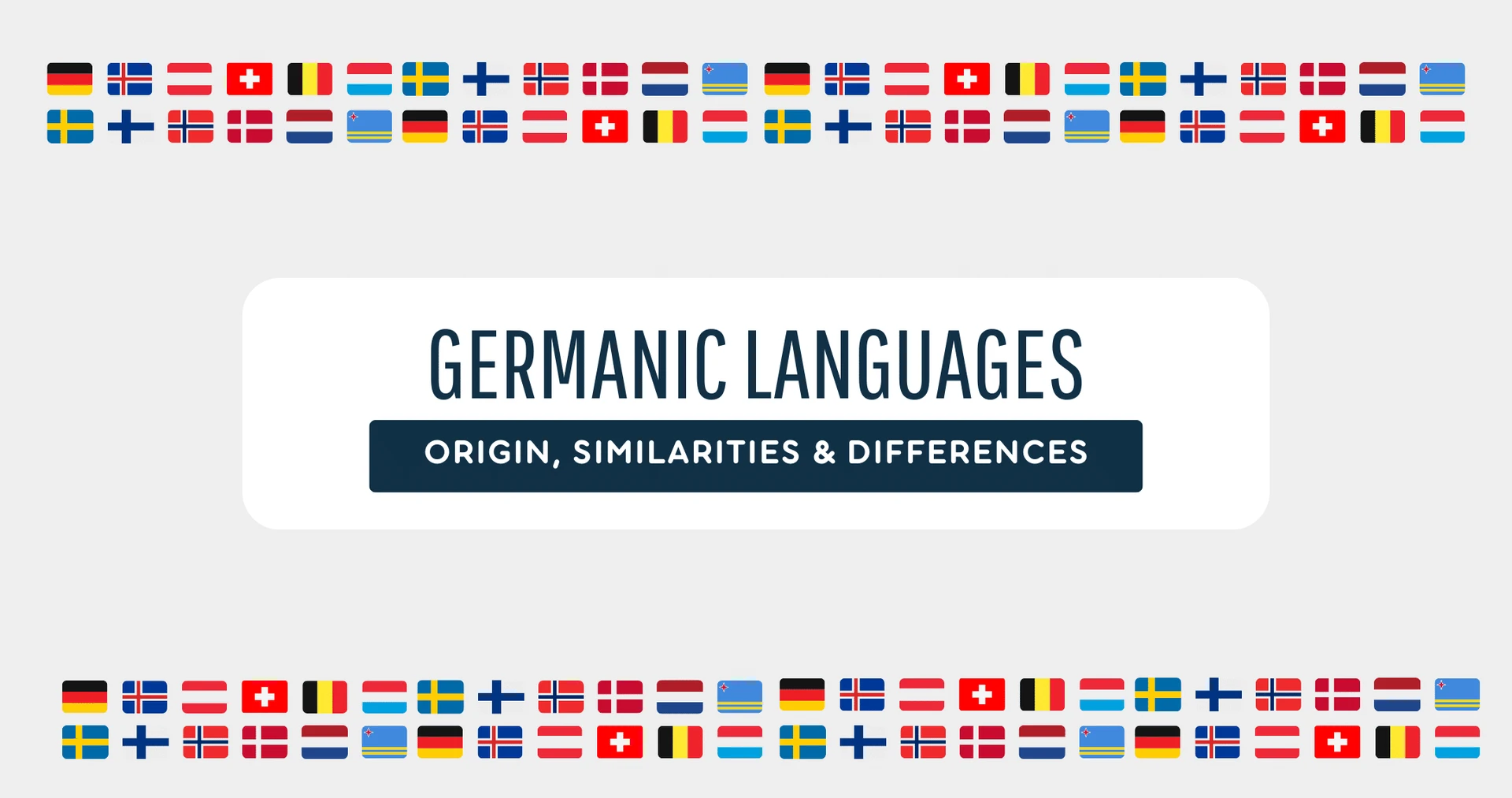
Germanic Languages: Origin, Similarities & Differences
The Germanic languages are a branch of the Indo-European language family. With approximately 515 million native speakers and another two billion second language speakers, the Germanic languages are among the most widely spoken language families. What’s more, the Germanic languages are a rather peculiar group of languages since they are simultaneously incredibly similar yet very different.
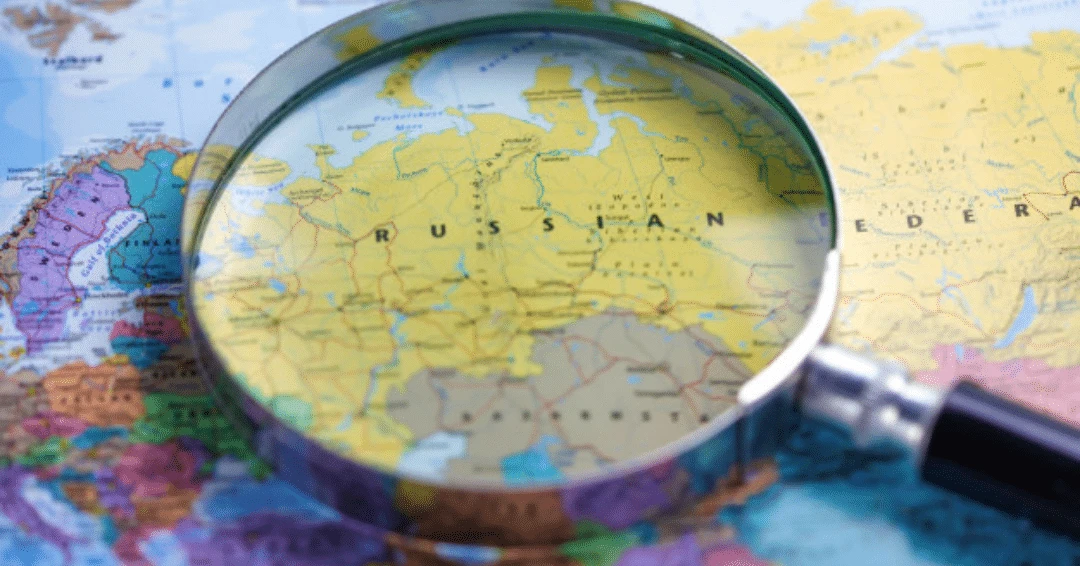
Slavic Languages – Everything you Need To Know
The Slavic languages form a group of languages spoken by nearly 400 million people in Europe and Northern Asia. These languages developed from the Proto-Slavic language, which itself stems from Proto-Indo-European. The origin of Proto-Slavic is believed to be between the Dnipro River and the Oder River. This was the language spoken by all Slavs or Slavic people between the 8th and 9th century A.D.

Nordic Languages: History, Similarities & Differences
There is this widespread misconception that all Nordic languages sound the same. Well, the Nordic countries share a lot in common in their way of life, religion, history, and social structure. They also have a long history of political unions. And while they continue to foster their close relations even now, they undoubtedly remain separate states with distinct languages. The Nordic languages can be divided into two families: North Germanic and Finno-Ugric.